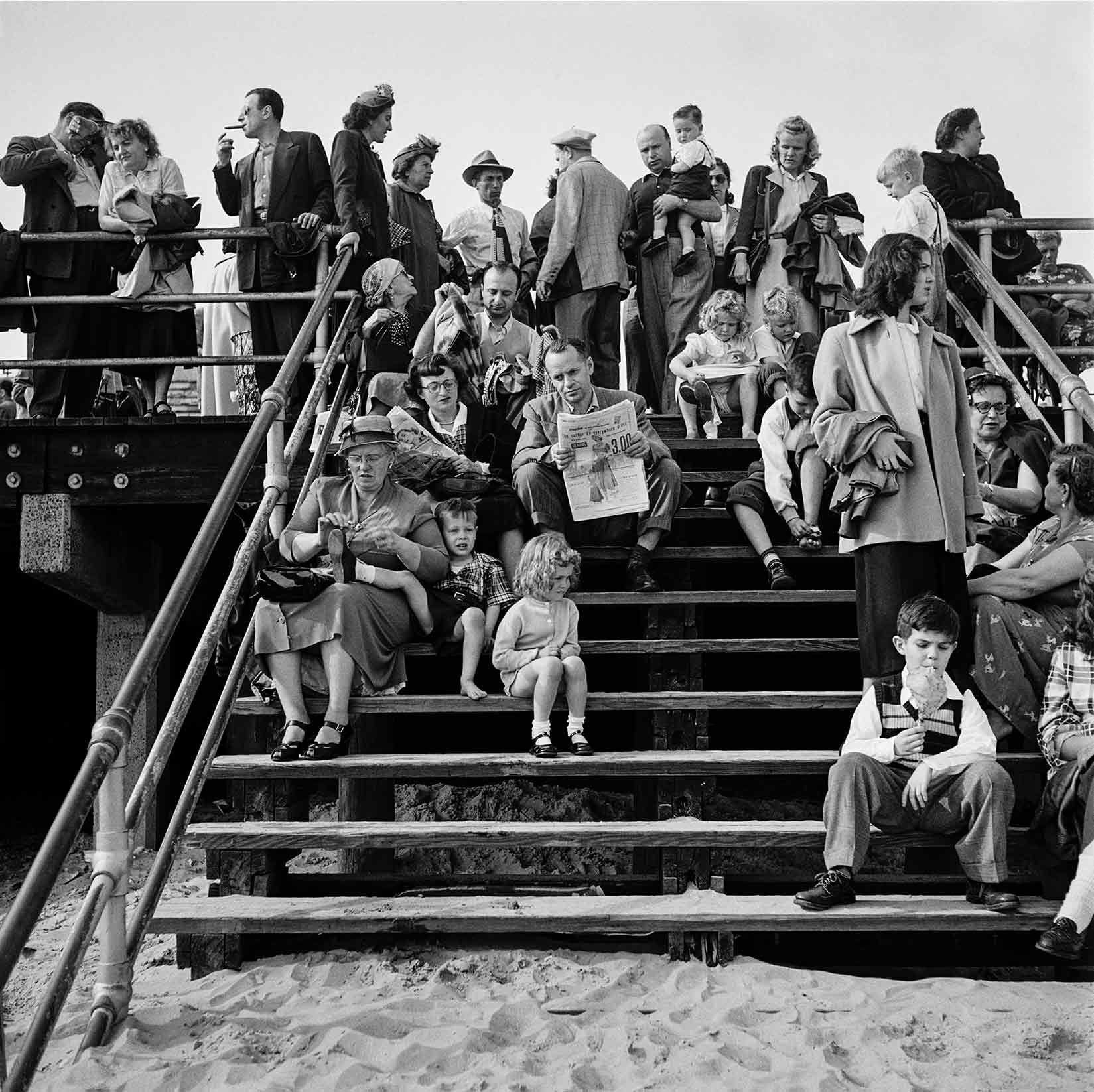
Harold Feinstein, Boardwalk Stairs, 1950; modern print, ink on paper; © Harold Feinstein Photography Trust.
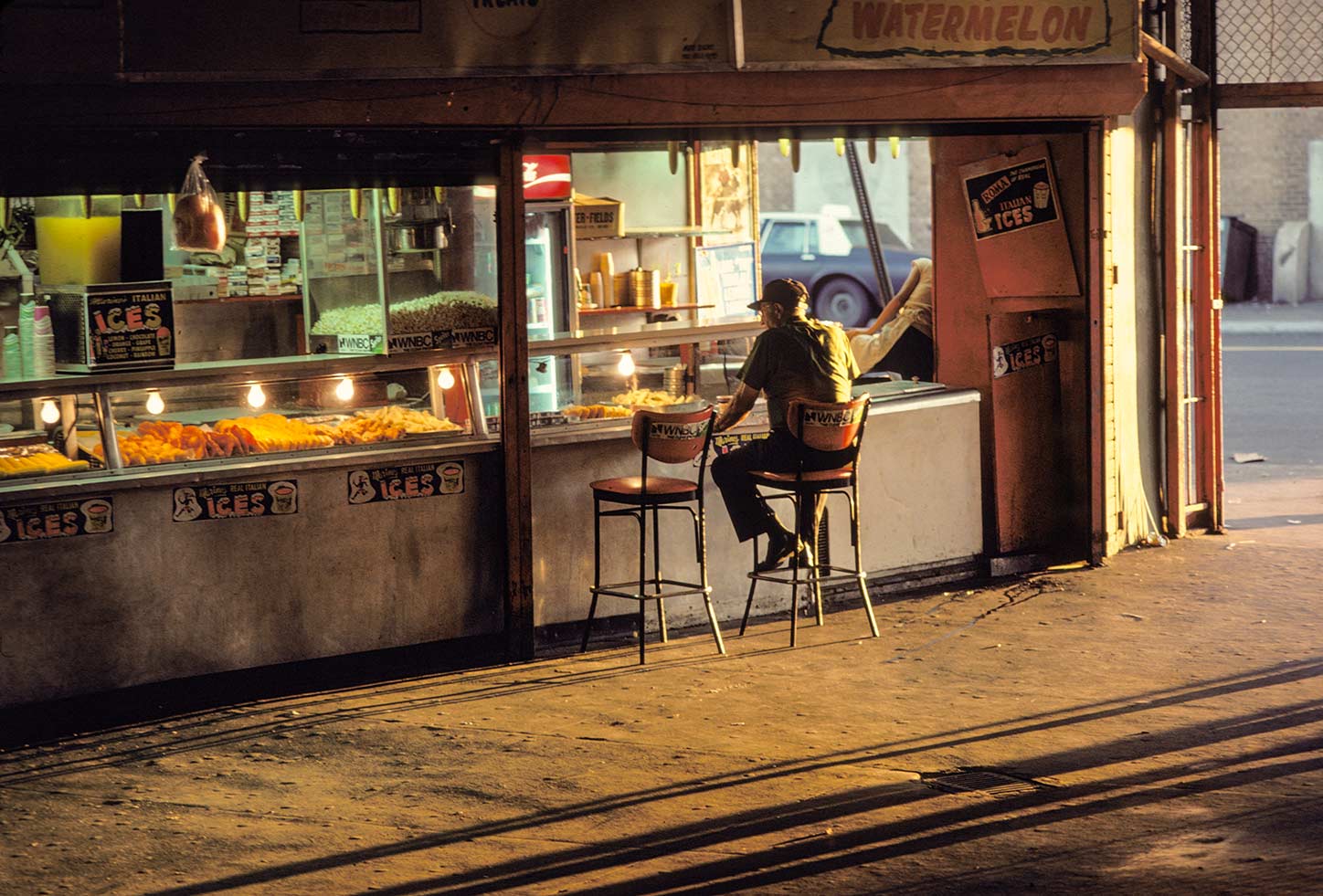
Harold Feinstein, Lunch counter on Surf Ave., 1980; modern print, ink on paper; © Harold Feinstein Photography Trust.
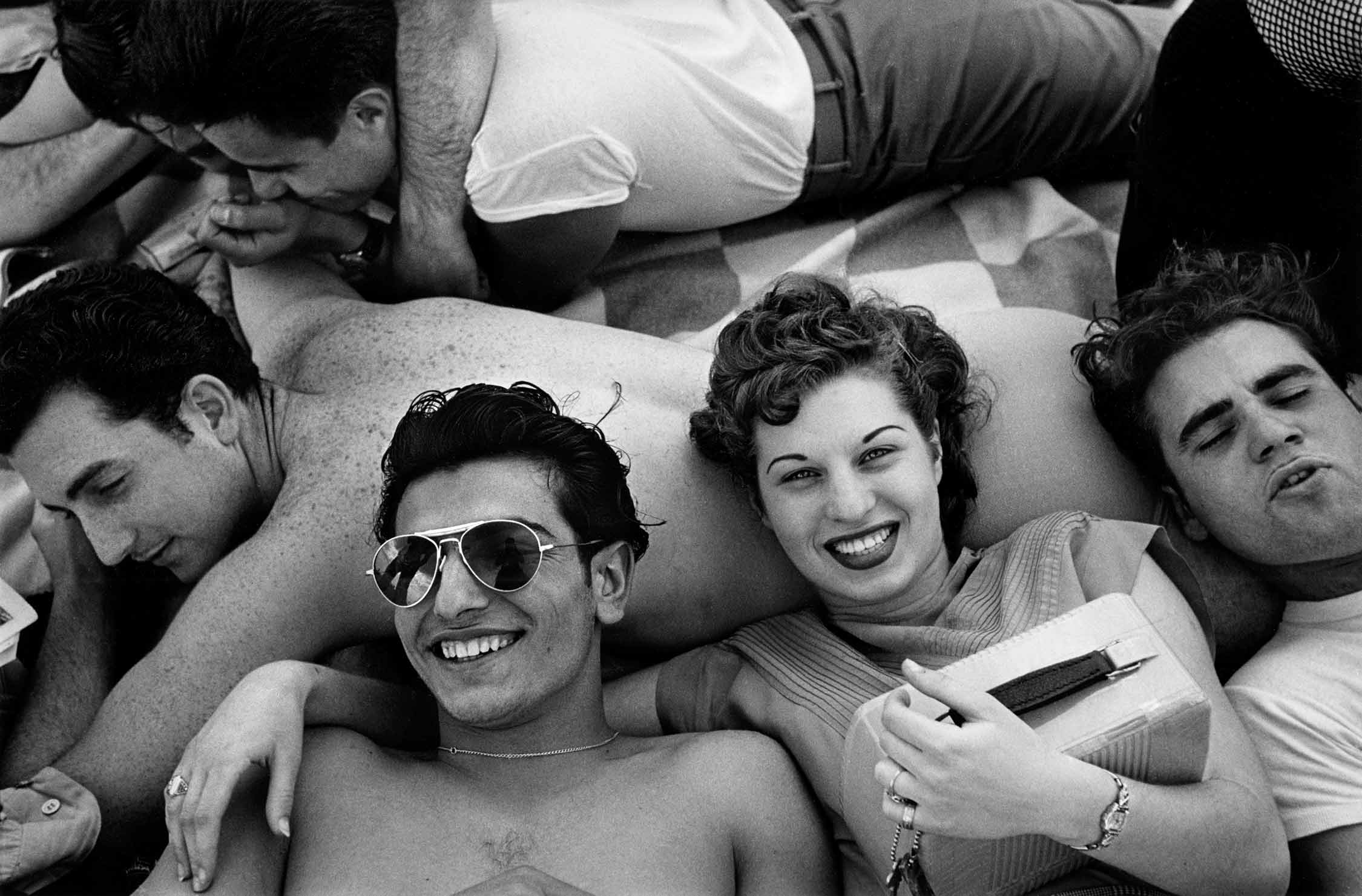
Harold Feinstein, Coney Island Teenagers, 1949; modern print, ink on paper; © Harold Feinstein Photography Trust.
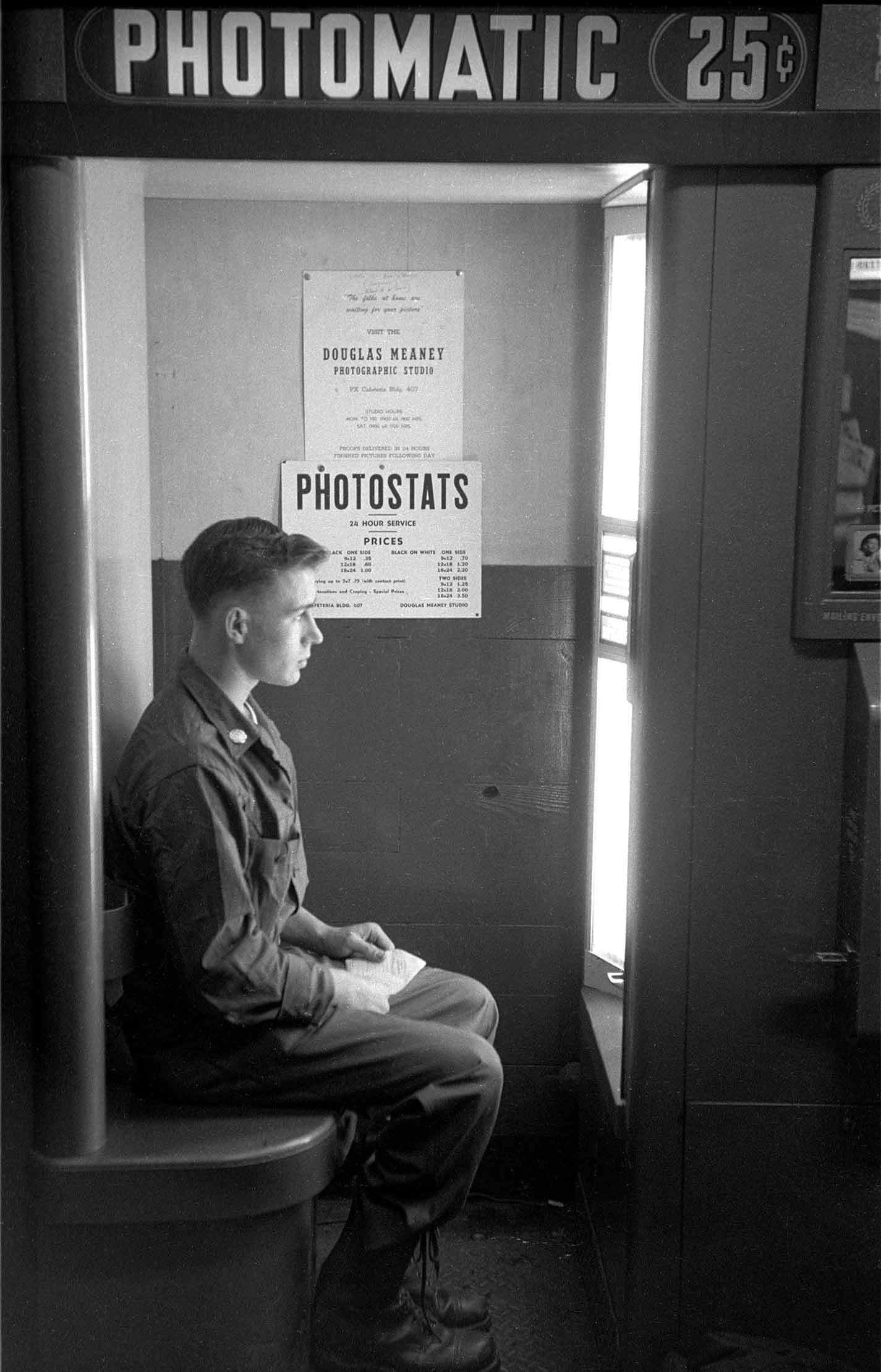
Harold Feinstein, Draftee in Photobooth, 1952; modern print, ink on paper; © Harold Feinstein Photography Trust.
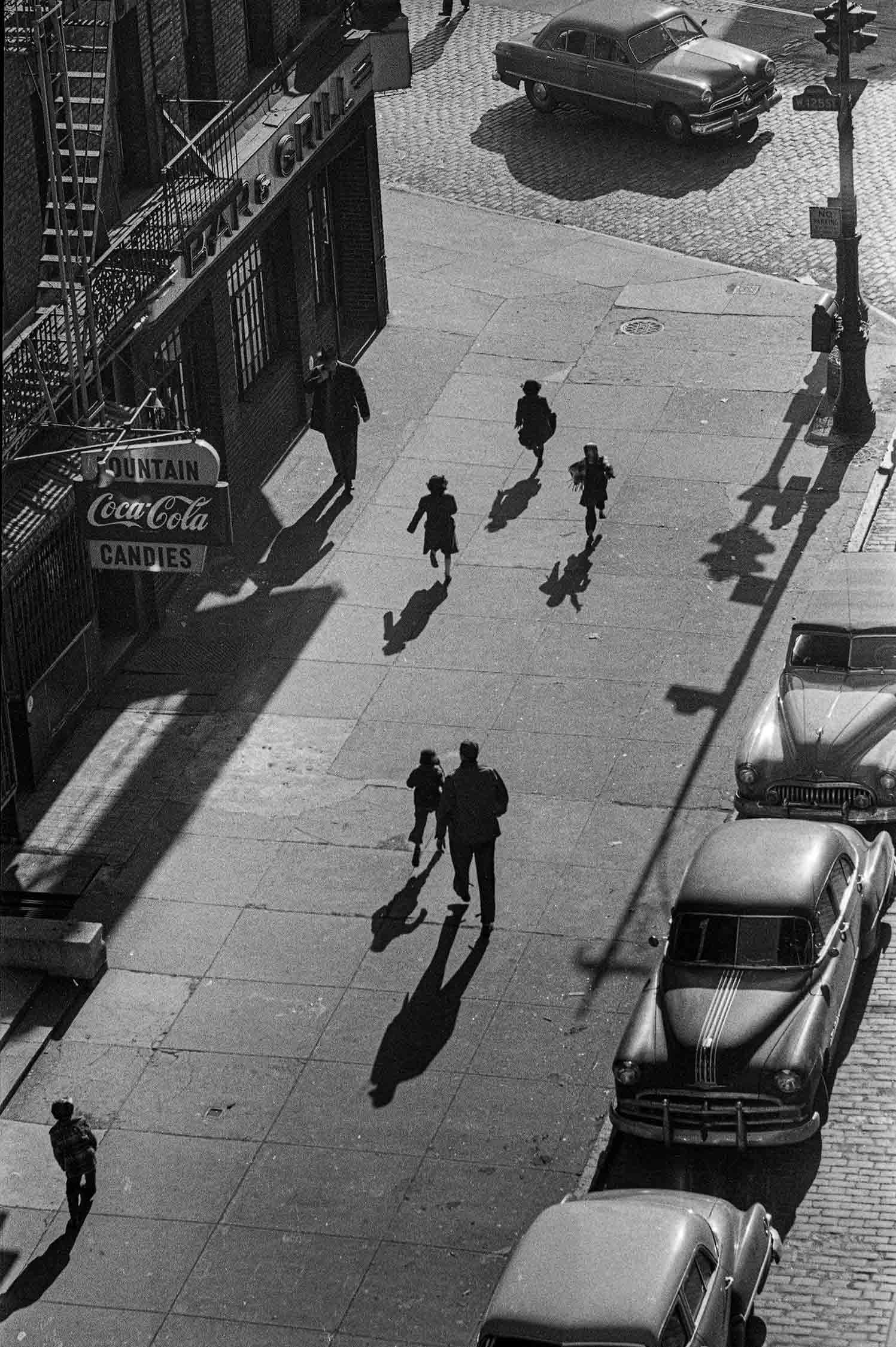
Harold Feinstein, 125th Street From Elevated Train, 1950; modern print, ink on paper; © Harold Feinstein Photography Trust.
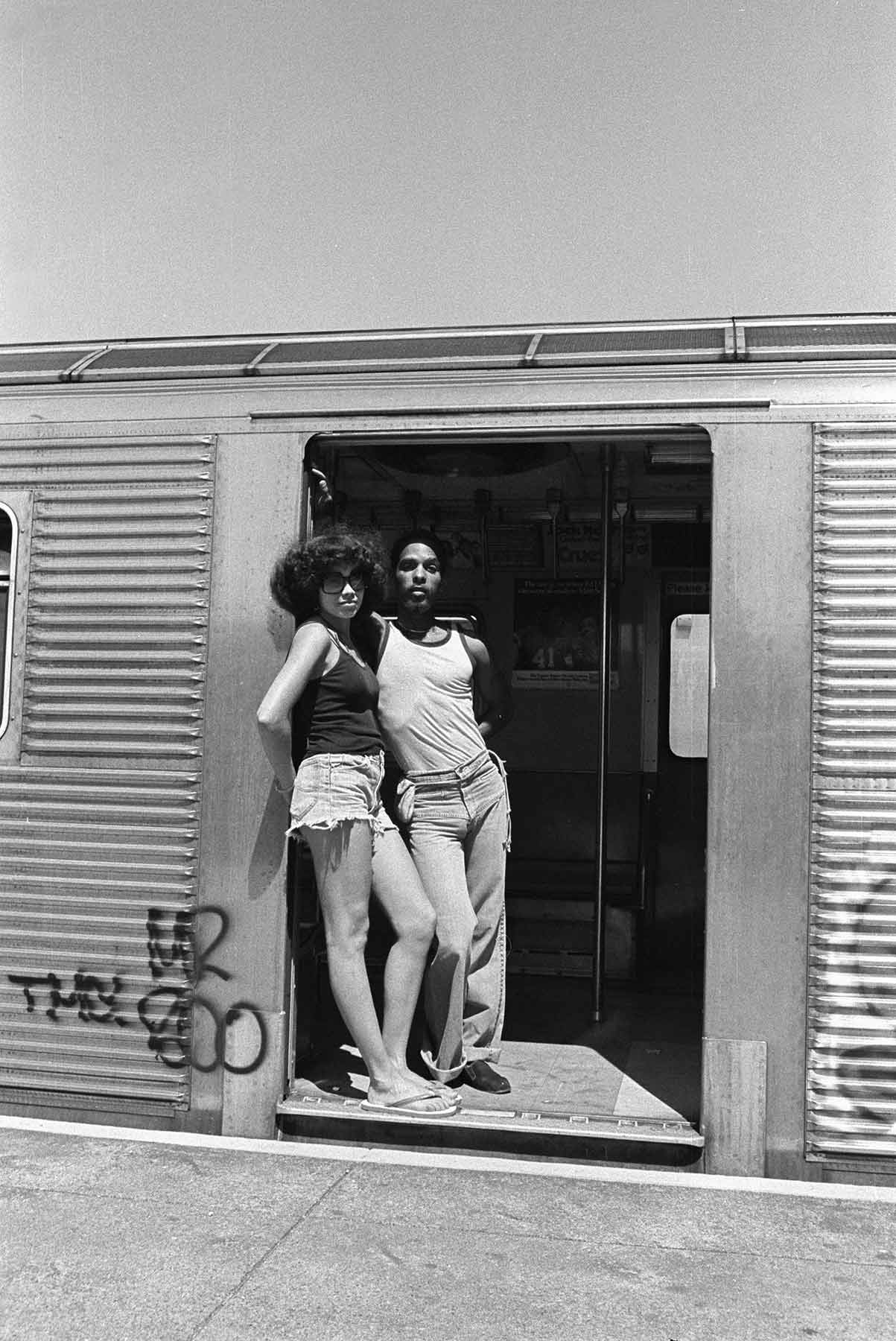
Harold Feinstein, Couple at subway door, 1977; modern print, ink on paper; © Harold Feinstein Photography Trust.
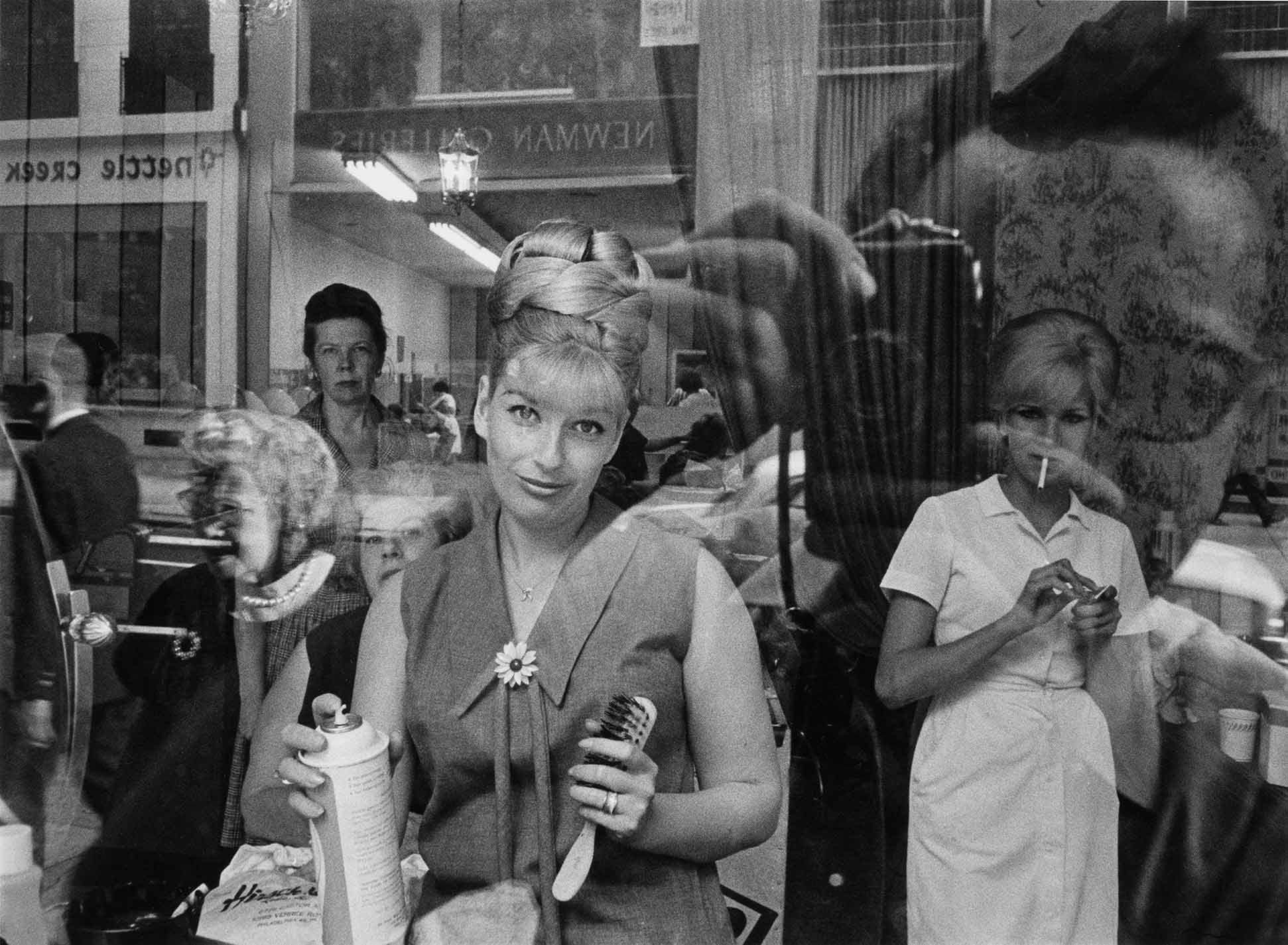
Harold Feinstein, Beauty Parlor Window, 1964; modern print, ink on paper; © Harold Feinstein Photography Trust.
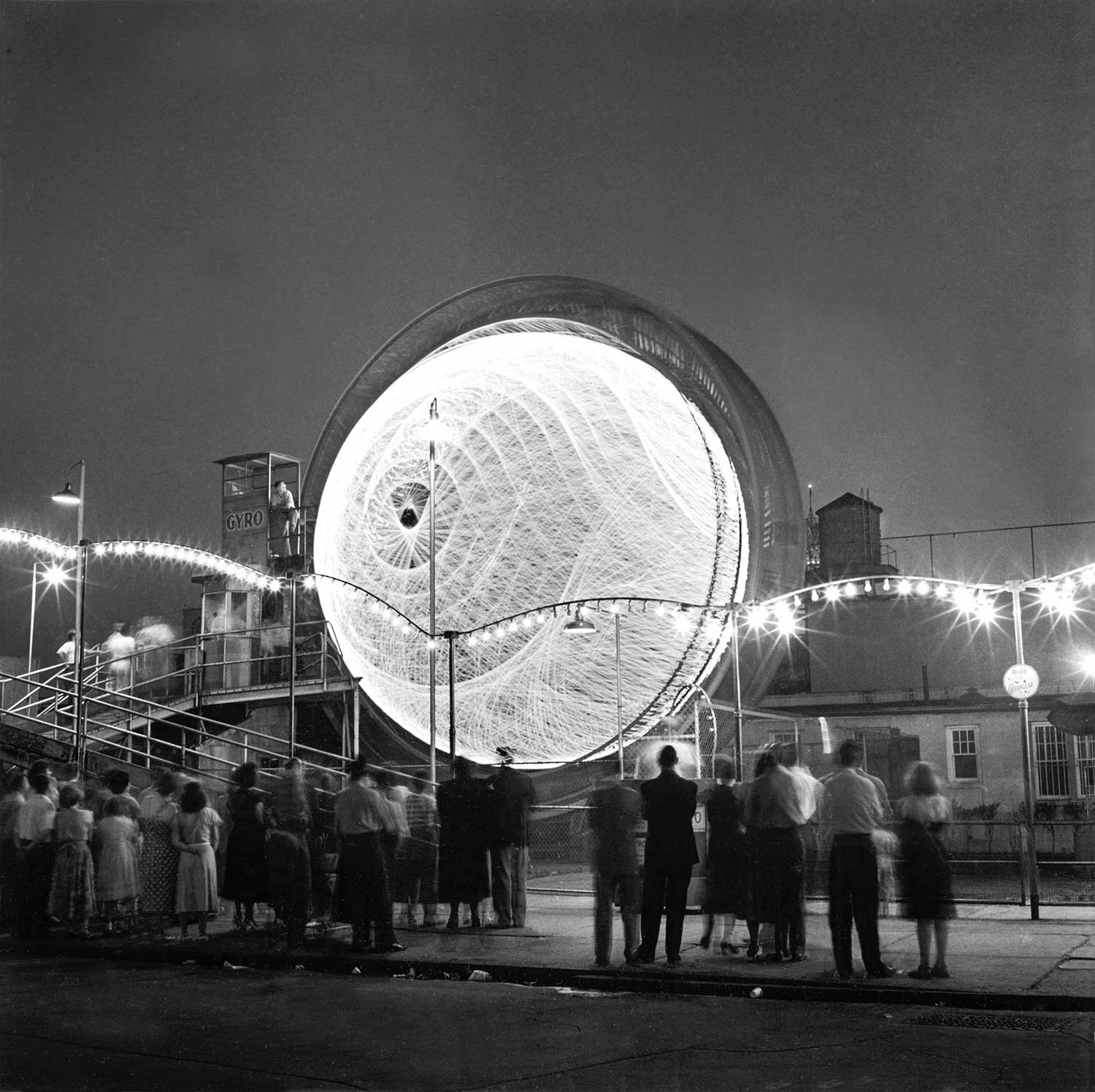
Harold Feinstein, Watching The Gyro, 1946; modern print, ink on paper; © Harold Feinstein Photography Trust.
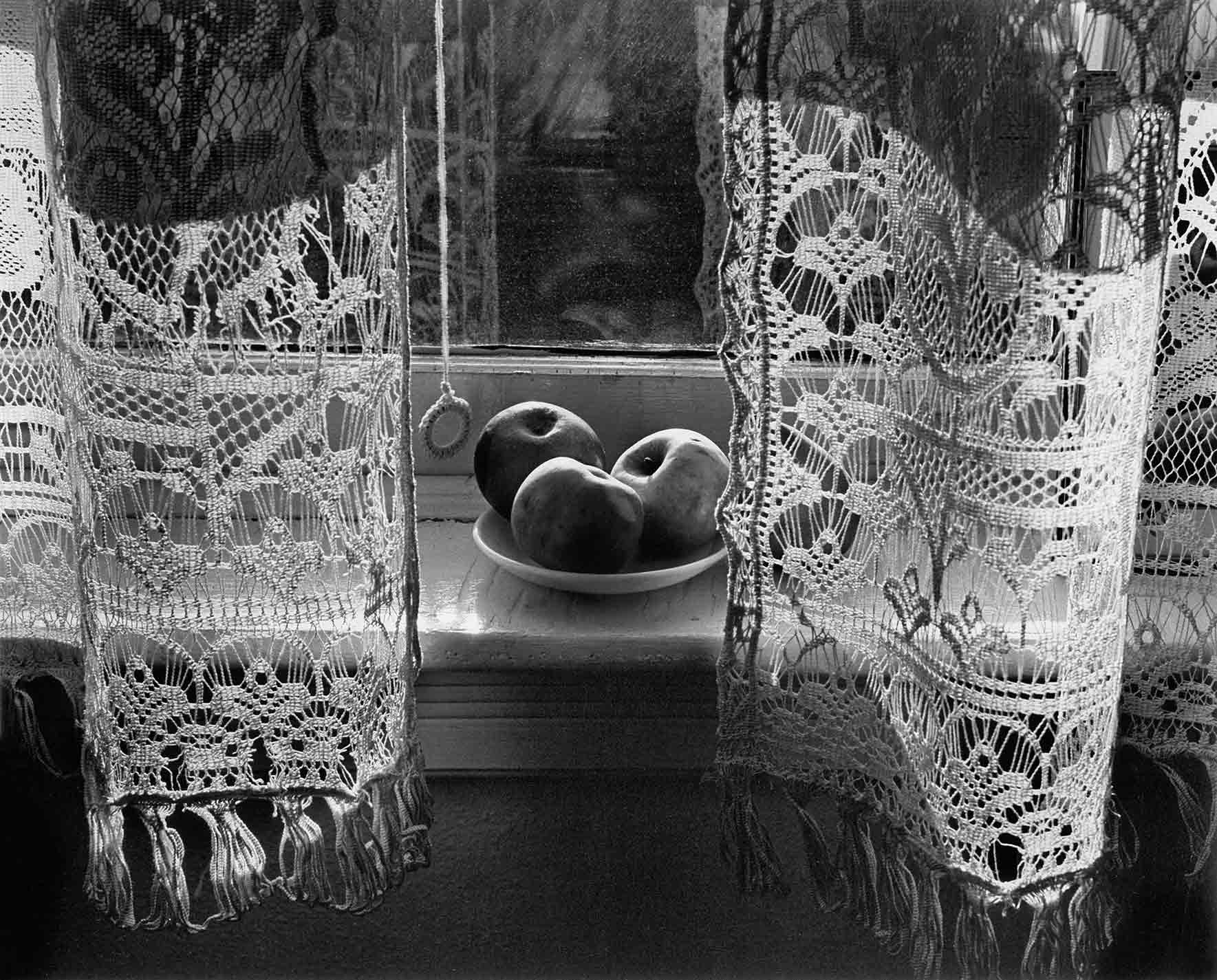
Harold Feinstein, My Mother’s Sunlit Curtains, 1946; modern print, ink on paper; © Harold Feinstein Photography Trust.
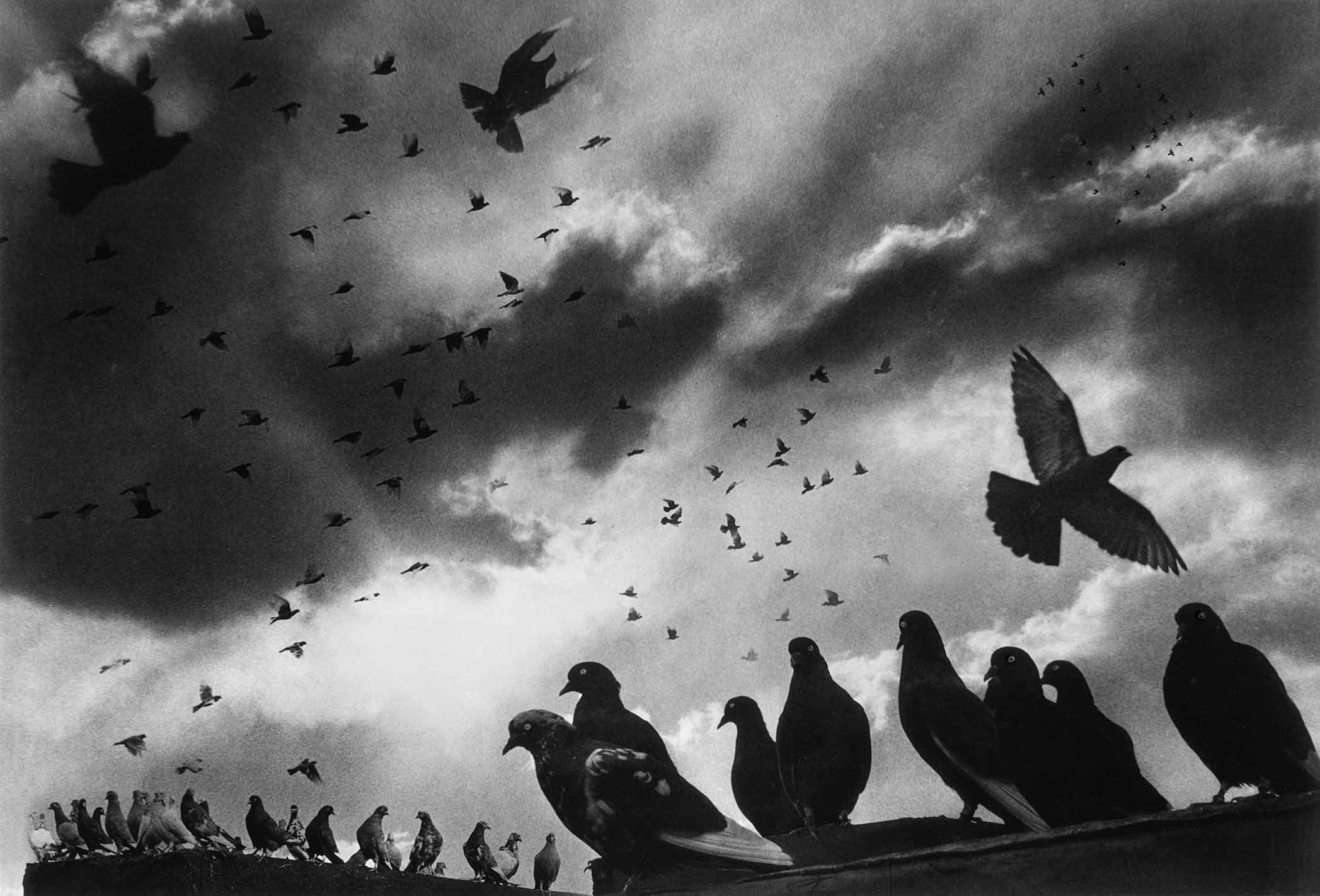
Harold Feinstein, Pigeons, 1958; modern print, ink on paper; © Harold Feinstein Photography Trust.
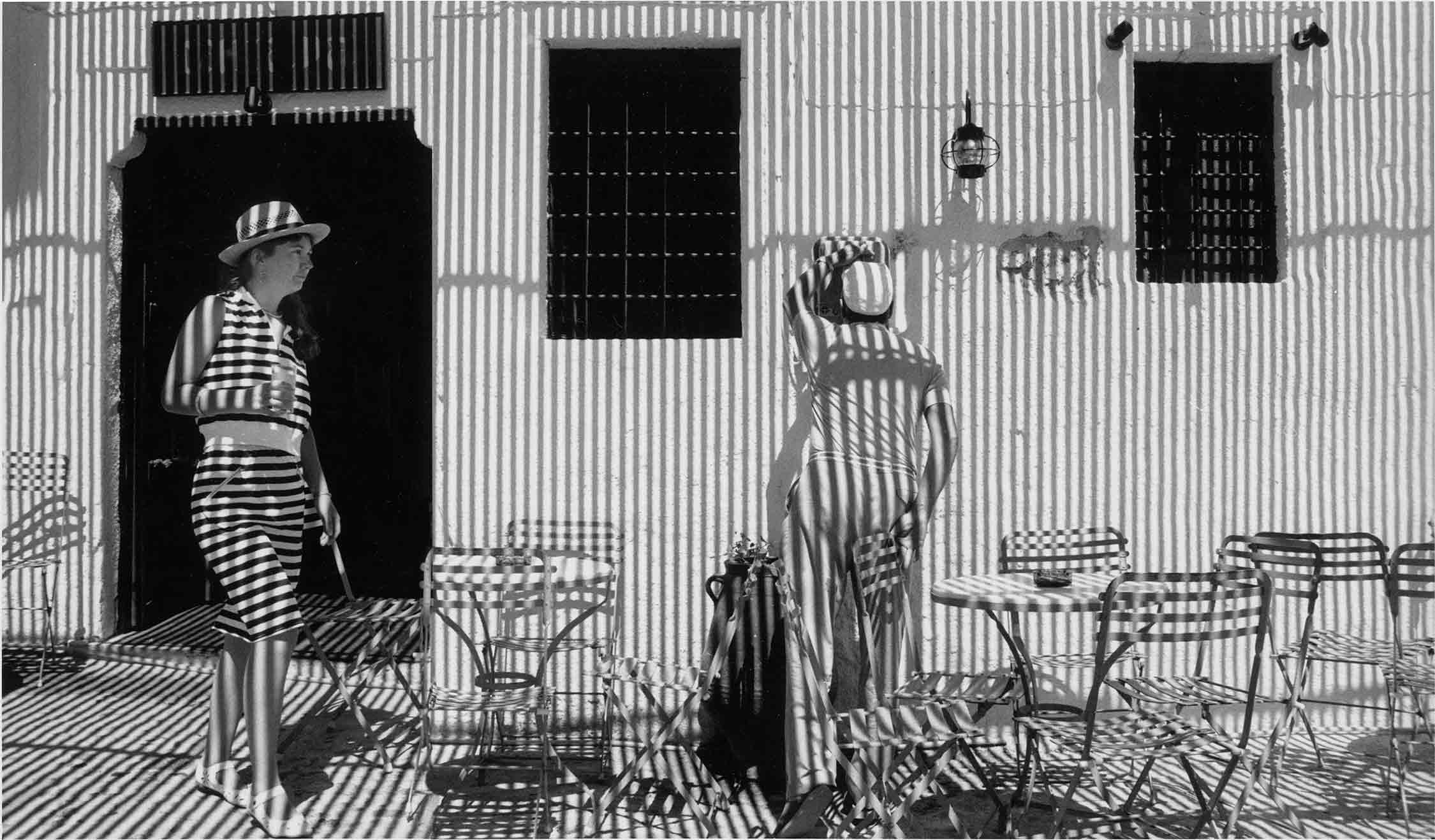
Harold Feinstein, Stripes and Shadows, Ibiza, 1988; modern print, ink on paper; © Harold Feinstein Photography Trust.
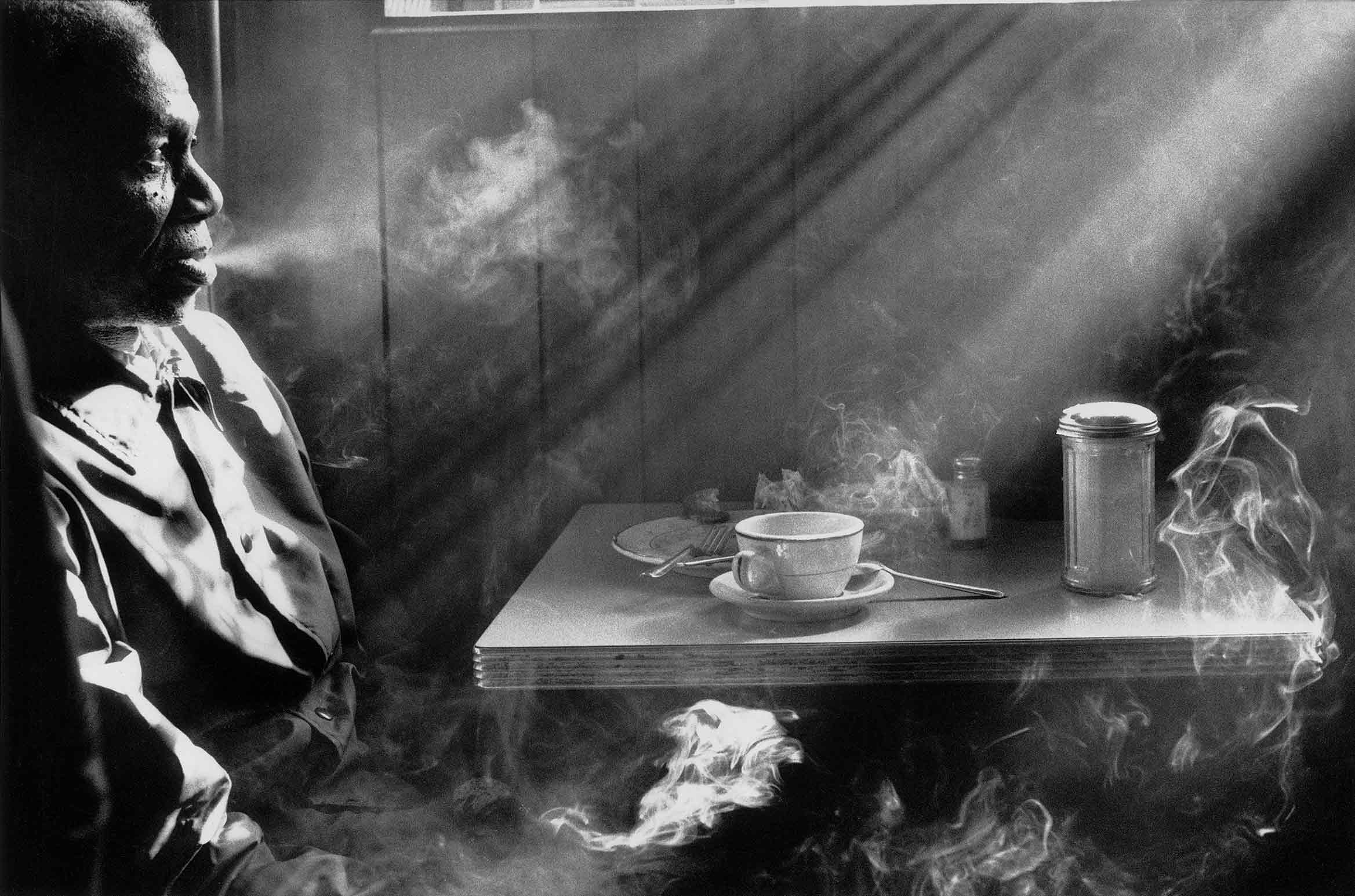
Harold Feinstein, Man Smoking in Diner, 1974; modern print, ink on paper; © Harold Feinstein Photography Trust.
Harold Feinstein, Man Smoking in Diner, 1974; modern print, ink on paper; © Harold Feinstein Photography Trust.
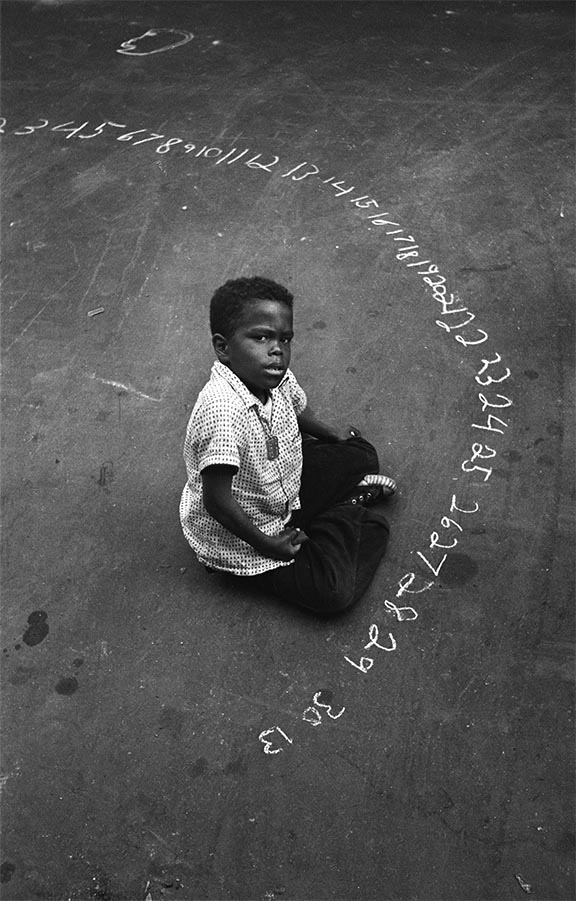
Harold Feinstein, Boy with Chalk Numbers, , 1955; modern print, ink on paper; © Harold Feinstein Photography Trust.
Harold Feinstein, Boy with Chalk Numbers, , 1955; modern print, ink on paper; © Harold Feinstein Photography Trust.
Harold Feinstein, Boardwalk Stairs, 1950; modern print, ink on paper; © Harold Feinstein Photography Trust.
Harold Feinstein: To Photograph This Life
Harold Feinstein’s tonal mastery, intimate portraits, and influential teaching shaped generations of imagemakers, positioning him as a pivotal figure whose legacy continues to define the spirit of mid-century and contemporary photographic practice.
As William Grimes of the New York Times observed, Harold Feinstein was “one of the most accomplished recorders of the American experience.” Accordingly, this retrospective unfolds as an immersive narrative of American life.
Organized by the Briscoe Center for American History at the University of Texas at Austin—which now houses the Harold Feinstein Archives—the exhibition Harold Feinstein: To Photograph This Life documents extraordinary moments hidden within the everyday American experience. This exhibition showcases Feinstein’s keen eye for human expression, explores the breadth of his subjects, and highlights his technical innovations, presenting a retrospective sampling of his life’s work.
Selections represent the principal themes and periods of Feinstein’s photography, guiding visitors through a broadly chronological journey that reflects his expansive and open perspective on the world. Opening selections focus on the early emergence of his artistic talent, including photographs dating from his teenage years, his membership in the New York Photo League, and the early recognition of his work’s significance.
Exhibit sections will feature Feinstein’s street photography—particularly in his native New York City—and his documentary photographs made during the Korean War, when he lived among fellow soldiers. Later sections explore Feinstein’s technical mastery, including his work in photomontage, as well as his later photographs that employ technological innovations to cast new light on the natural world. Throughout the exhibition, materials drawn from Feinstein’s archives, such as contact sheets, illuminate his working process and technical acumen while providing context for his artistic approach.
Feinstein’s photographs reveal people as they smile and laugh, question and doubt, sit in solitude, or lean on one another. These captured expressions and moments of intimacy reflect Feinstein’s enduring commitment to a shared humanity.
Collectively, the exhibition presents Feinstein not merely as a documentarian, but as a visual poet whose work traces the arc of humanity in all its vulnerability, joy, complexity, and grace. The exhibition comprises approximately 50 modern prints, produced using the Feinstein Estate’s preferred surface and tonal depth, which are characteristic of the artist’s work.
About the artist
Born in 1931 to Jewish immigrant parents in Coney Island, Harold Feinstein began photographing at the age of 15, and by 19 his work had already been acquired by Edward Steichen for the Museum of Modern Art’s collection. Over the course of his career, Feinstein established himself as an iconoclast and innovator, known for challenging conventions in both technique and expression.
A sought-after contributor to photography publications, he openly shared his unconventional approaches to printing, composition, and image making. As a master printer, he pushed the boundaries of the medium through techniques such as using potassium ferricyanide to intensify visual drama and creating photomontages, both considered outside the norm at the time.
Curator Phillip Prodger described him as “part artist, part guru, part force of nature,” noting that Feinstein’s originality and creative irreverence placed him beyond traditional circles of influence.
Feinstein’s work is represented in the collections of the International Center for Photography, the George Eastman House, the Museum of the City of New York, the Jewish Museum, and more than two dozen additional museum and corporate collections.
About the organizers
Harold Feinstein’s archive represents a significant addition to the Briscoe Center’s holdings in photography, expanding the center’s visual record of American stories. The Briscoe Center’s renowned photographic archive covers national and international political life, the civil rights movement, sports and entertainment, and countless other topics through more than 100 photographers’ archives. In addition to finished prints, the center’s collections encompass photographers’ working archives, bringing further rich context to photographs as primary source records of American history. For more information, see: briscoecenter.org/collections/photography
Exhibition Details
This exhibit contains forty-five photographic prints and ten reproductions.
- Press Kit
- Registrar’s Packet
- Programming Guide
- Gallery Guide
- Text Panels
- Narrative Labels
- Full Insurance
- Installation Instructions
- Custom-Designed and Built Crates
The Briscoe Center
Exhibits USA
Tour Schedule
Harold Feinstein: To Photograph This Life will tour November 2027 through August 2033. The dates below reflect seven-week exhibition periods. Dates are subject to change; please contact MoreArt@maaa.org or (800) 473-3872 x208/209 for current availability.
Supporting Assets
Factsheet
Ready to book?
Contact us to learn more about booking this exhibition for your venue.