Installation view of Little Black Dress at 100 at the Wichita Art Museum, Wichita, Kansas, June 28–November 30, 2025; Image courtesy of the Wichita Art Museum. Photograph by Kirk Eck.
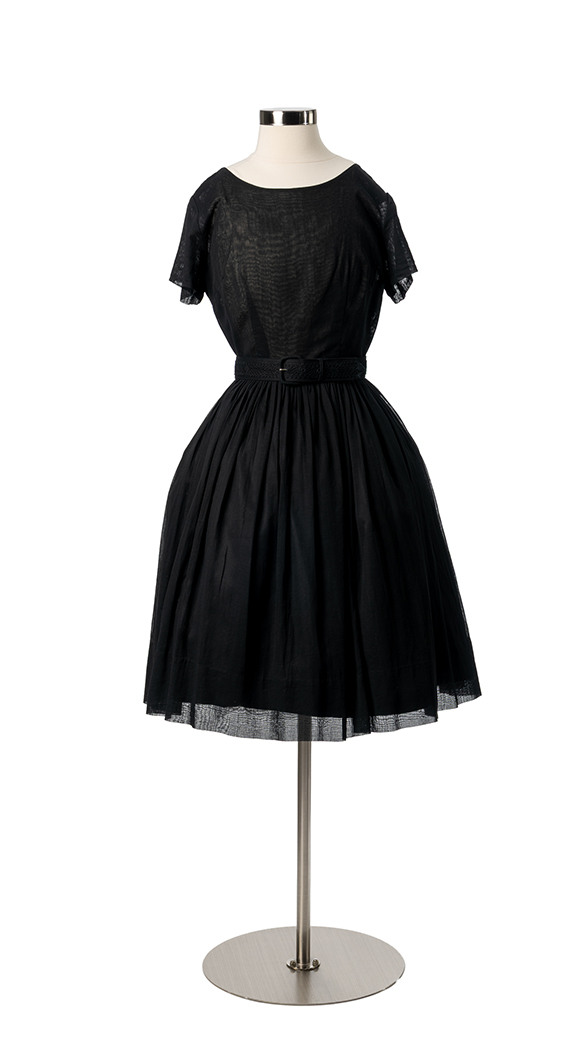
Nelly Don (American, 1889–1991), Day Dress, c. 1960; cotton voile; Courtesy of Kansas State University, Historic Costume and Textile Museum, Gift of Philip Chiles. Photo: Kirk Eck.
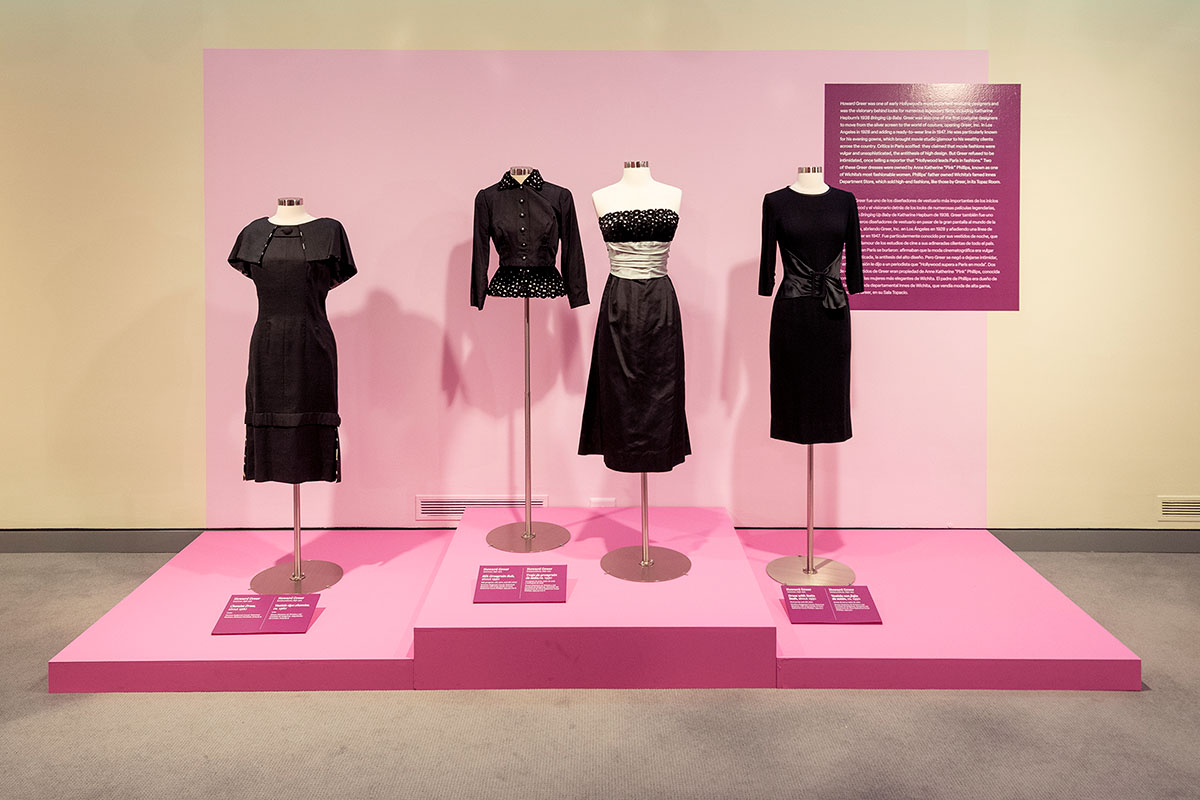
Installation view of Little Black Dress at 100 at the Wichita Art Museum, Wichita, Kansas, June 28–November 30, 2025; Image courtesy of the Wichita Art Museum. Photograph by Kirk Eck.
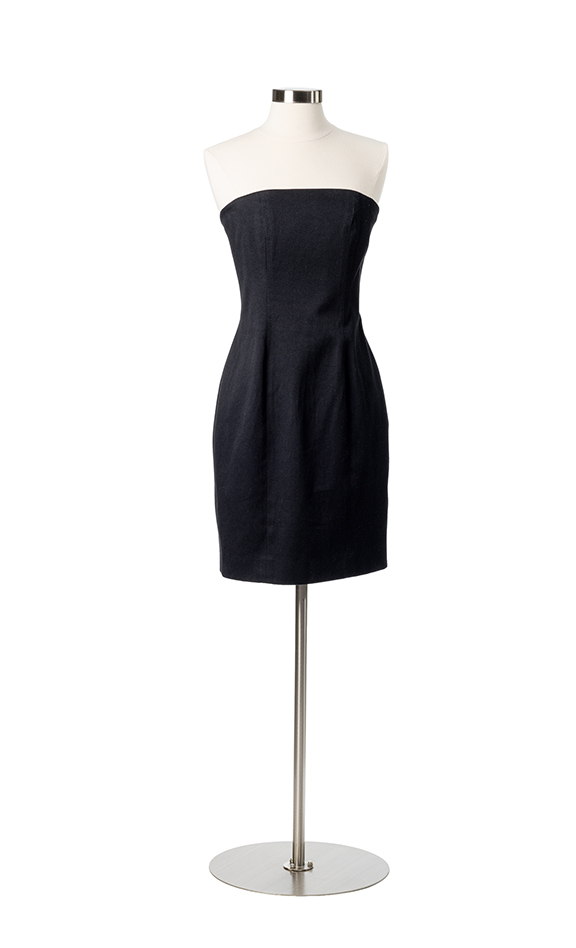
Calvin Klein (American, b. 1942), Strapless Dress, 1987–88; cotton piqué; Courtesy of Kansas State University, Historic Costume and Textile Museum, Gift of Calvin Klein, Inc. Photo: Kirk Eck.
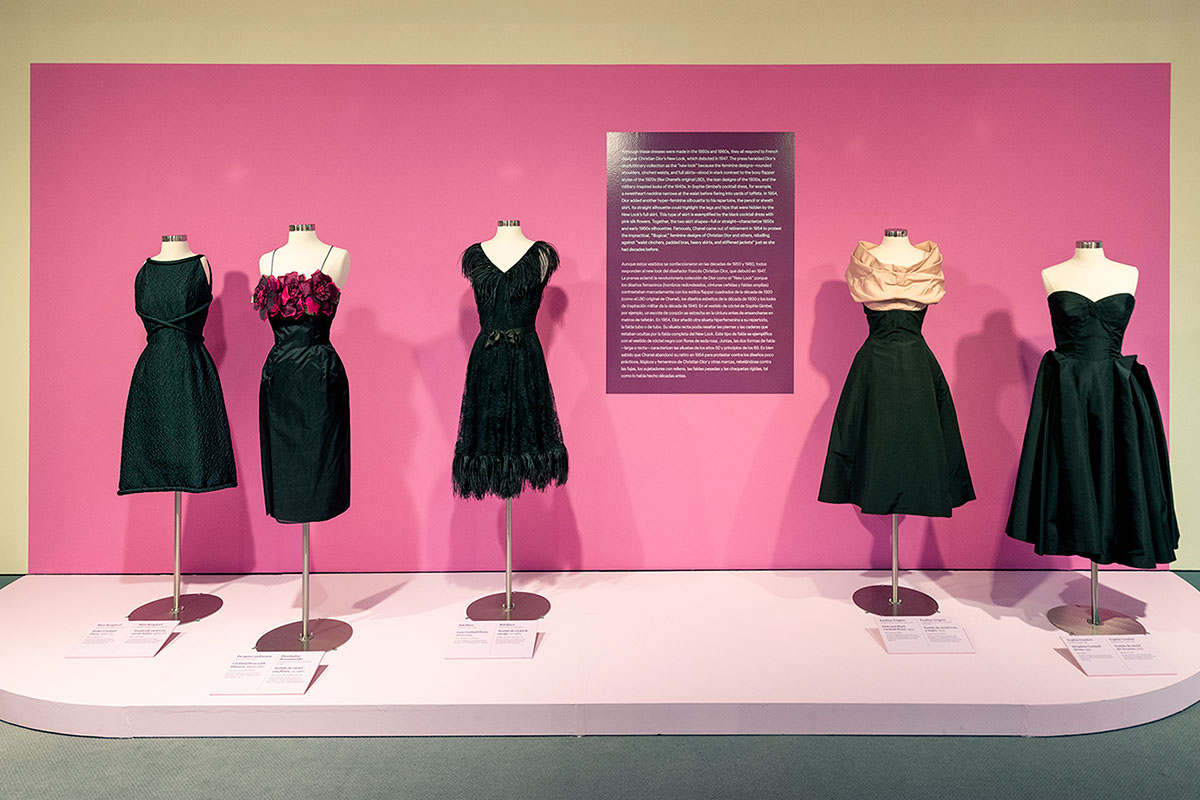
Installation view of Little Black Dress at 100 at the Wichita Art Museum, Wichita, Kansas, June 28–November 30, 2025; Image courtesy of the Wichita Art Museum. Photograph by Kirk Eck.
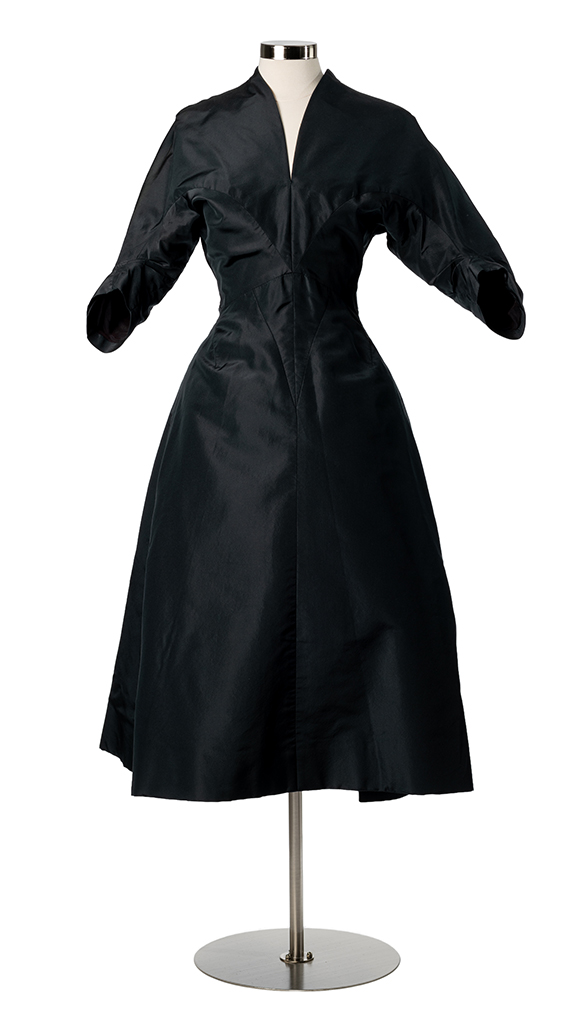
Charles James [American (born in England), 1906–1978], Cocktail Dress, 1953; silk faille; Courtesy of Wichita-Sedgwick County Historical Museum, Gift of Mary Lynn Oliver. Photo: Kirk Eck.
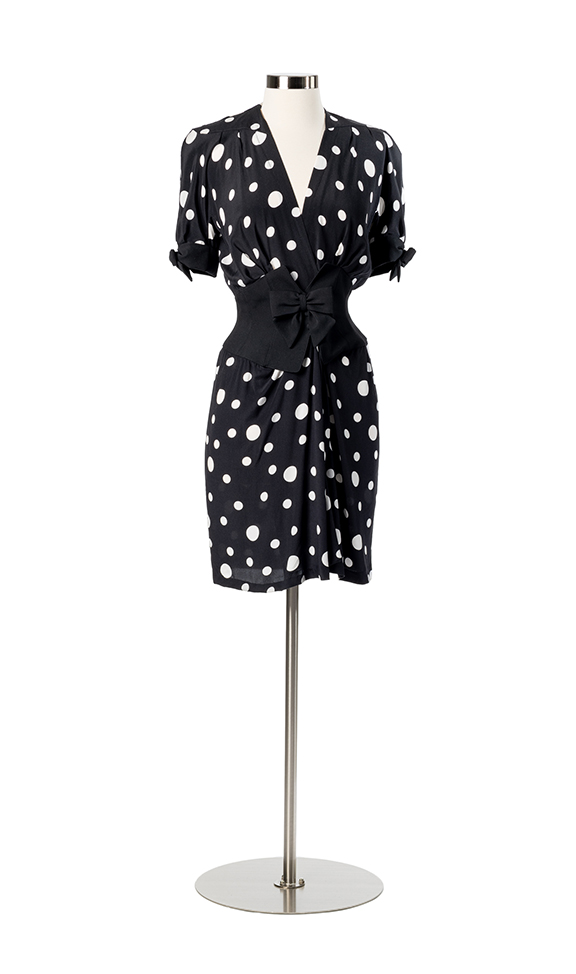
Thierry Mugler (French, 1948–2022), Black-and-White Polka Dot Dress, c. 1990; silk habotai; Courtesy of Kansas State University, Historic Costume and Textile Museum, Gift of Richard D. Rees in loving memory of Janet Lee Rees. Photo: Kirk Eck.
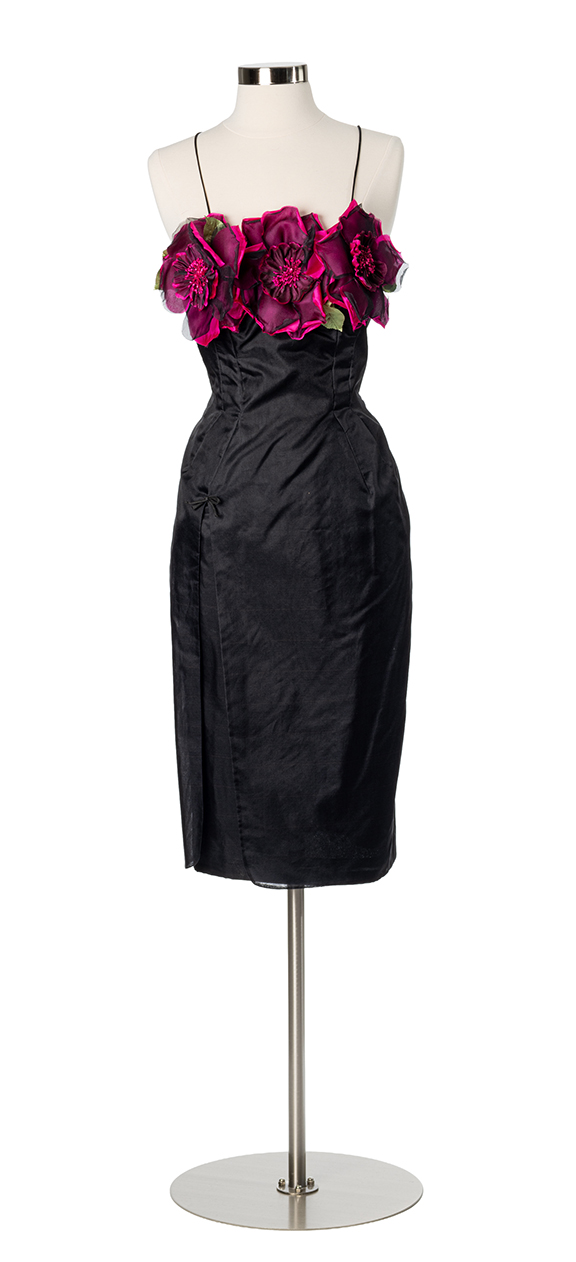
Designer Once Known (American, active 1960s), Cocktail Dress with Flowers, c. 1960; silk organdy and silk habotai; Courtesy of Wichita-Sedgwick County Historical Museum, Gift of Mary Catherine Kern Clark. Photo: Kirk Eck.
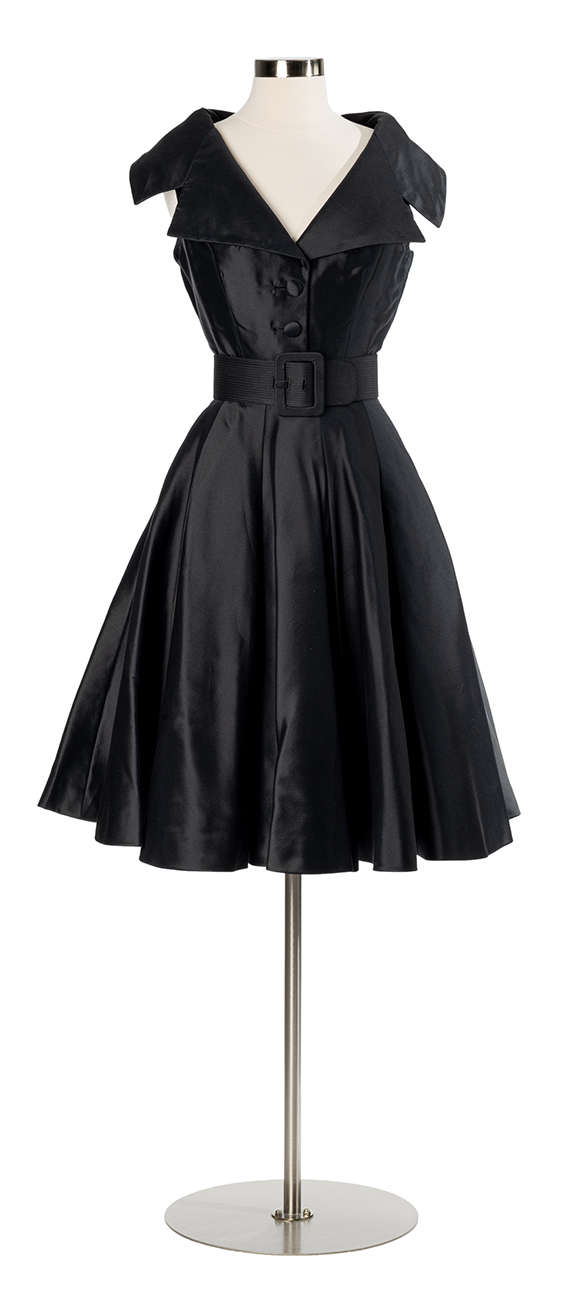
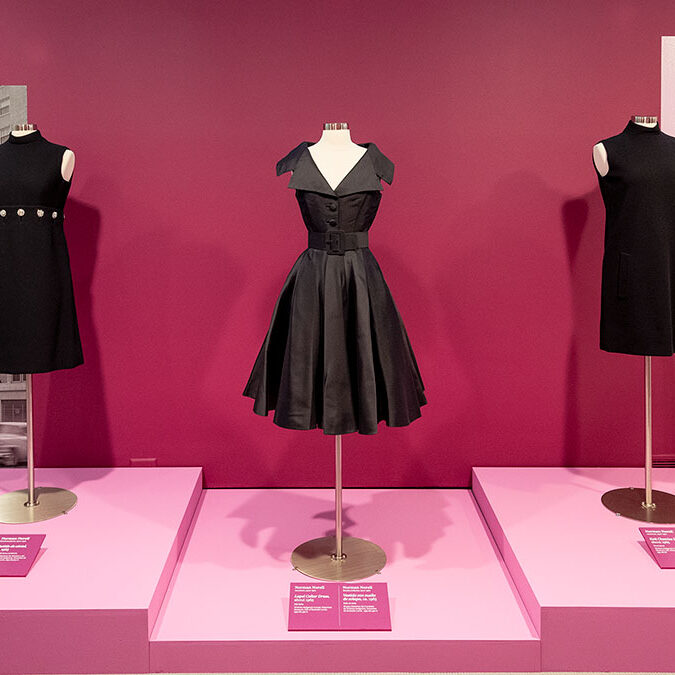
Norman Norell (American, 1900–1972), Lapel Collar Dress, c. 1965; silk faille; Courtesy of Wichita-Sedgwick County Historical Museum, Gift of Rochelle Levitt. Photo: Kirk Eck.
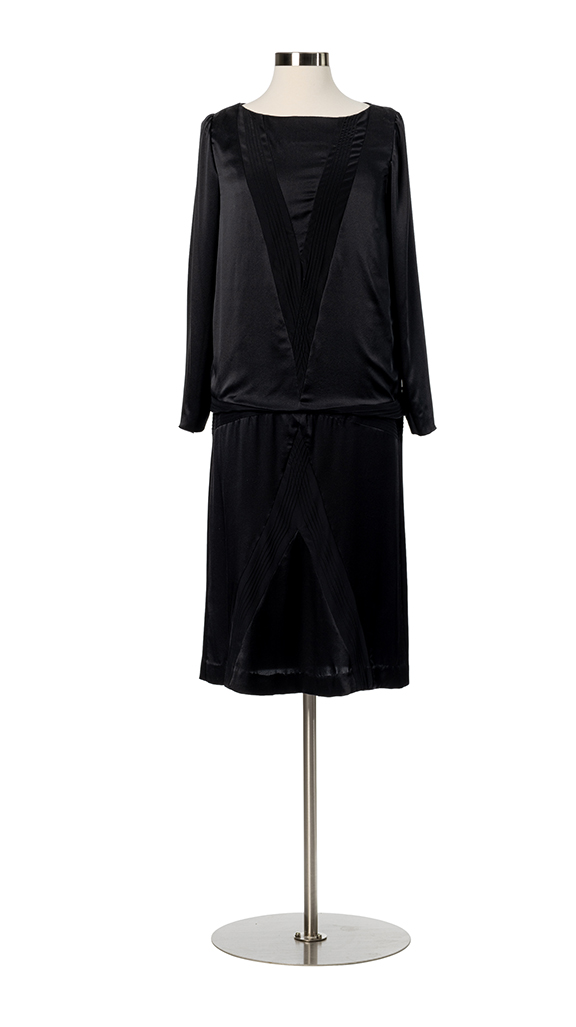
Marla Day (American, b. 1956), Adaption of Coco Chanel’s “Little Black Dress,” Model 817, 2025; silk charmeuse and silk chiffon; Courtesy of the artist. Photo: Kirk Eck.
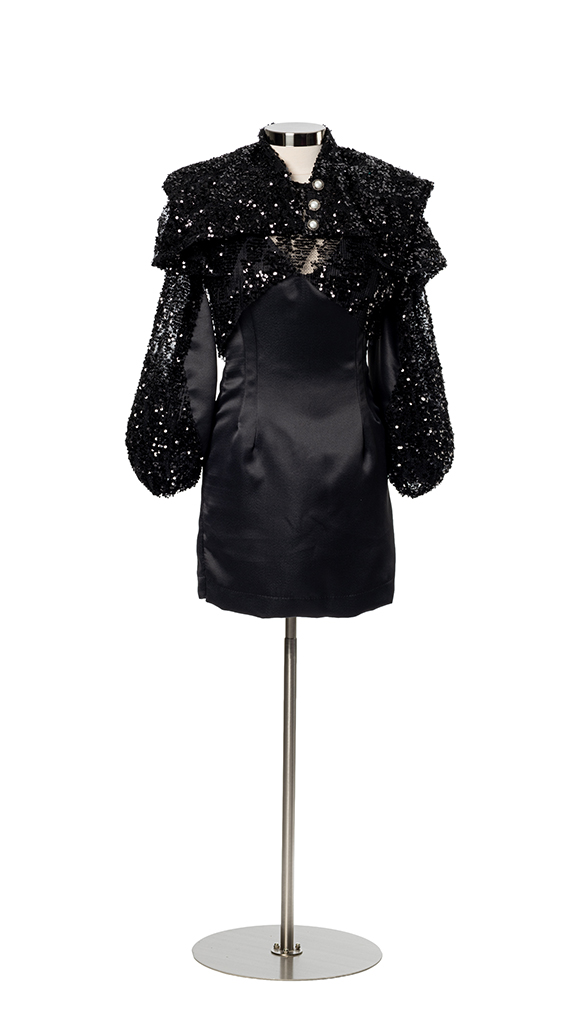
Nina Winter (American, b. 1975), WEEPING TISSUE WARRIOR, 2025; cotton, polyester, lace, sequins; Courtesy of Wichita-Sedgwick County Historical Museum, Gift of Nina Winter. Photo: Kirk Eck.
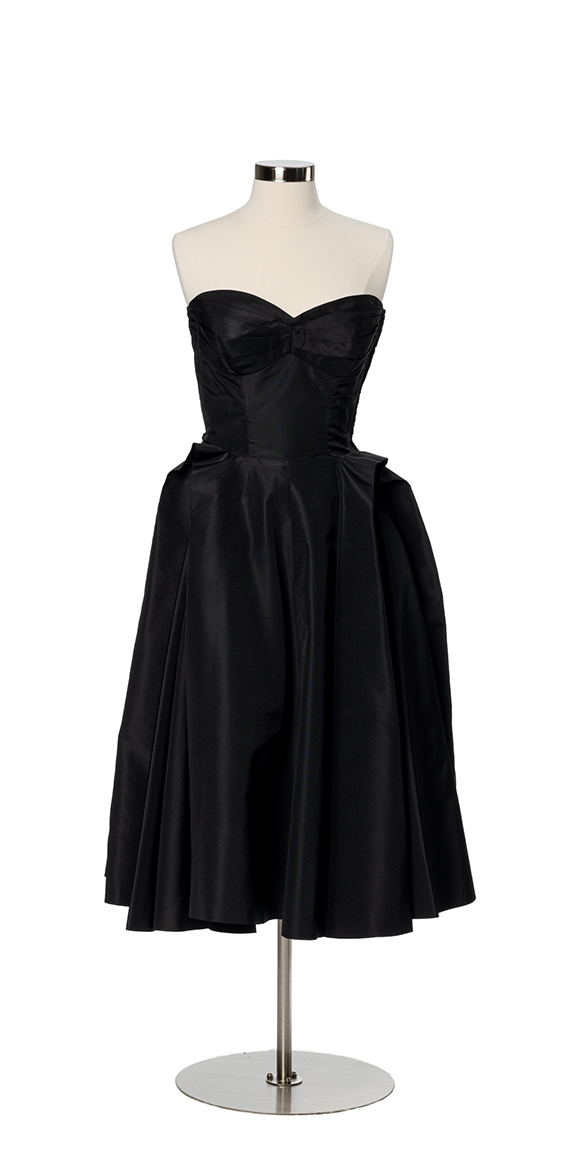
Sophie Gimbel (American, 1898–1981), Strapless Cocktail Dress, 1951; silk taffeta; Courtesy of Wichita-Sedgwick County Historical Museum, Gift of Mary Balazs-Shellito. Photo: Kirk Eck.
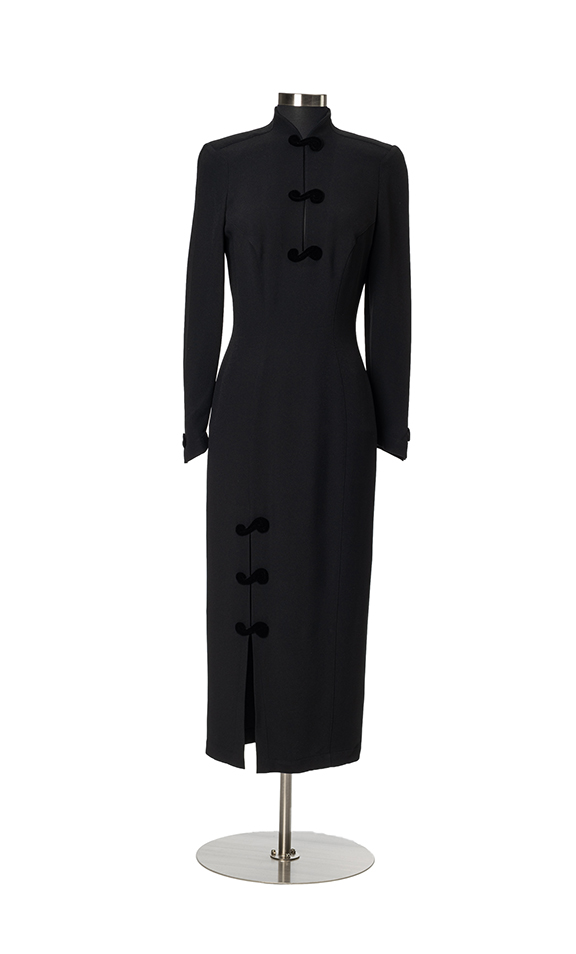
Thierry Mugler (French, 1948–2022), Sheath Dress, c. 1990; viscose, velveteen, acetate; Courtesy of Kansas State University, Historic Costume and Textile Museum, Gift of Richard D. Rees in loving memory of Janet Lee Rees. Photo: Kirk Eck.
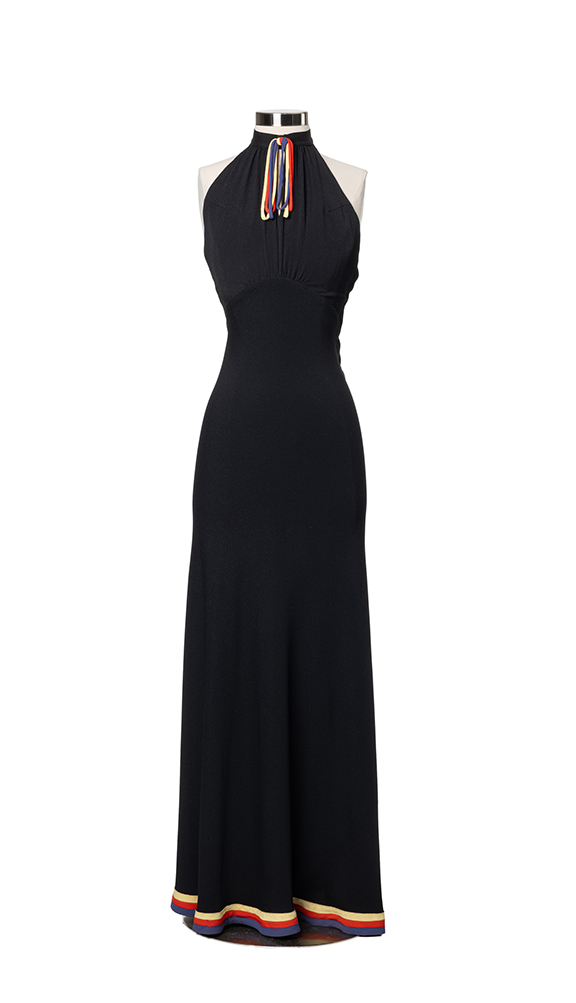
Designer Once Known (American, active 1930s), Halter Gown, c. 1930; rayon; Courtesy of Kansas State University, Historic Costume and Textile Museum, Gift of Regina Conroy. Photo: Kirk Eck.
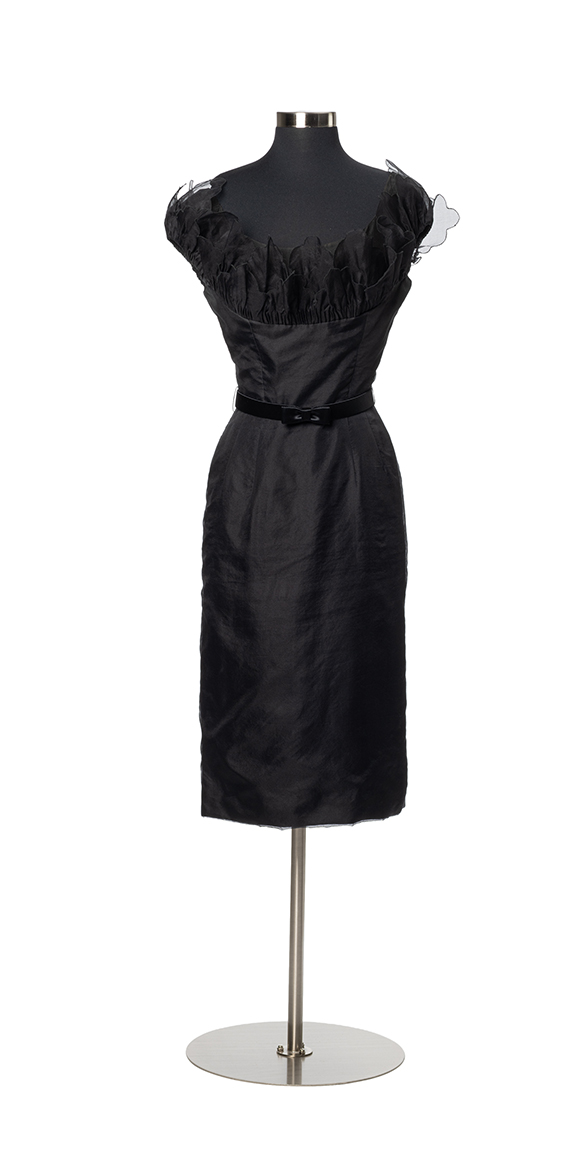
Designer Once Known (American, active 1960s), Petal Neckline Cocktail Dress, c. 1960; silk organza and silk faille; Courtesy of Kansas State University, Historic Costume and Textile Museum, Gift of Richard D. Rees in loving memory of Janet Lee Rees. Photo: Kirk Eck.
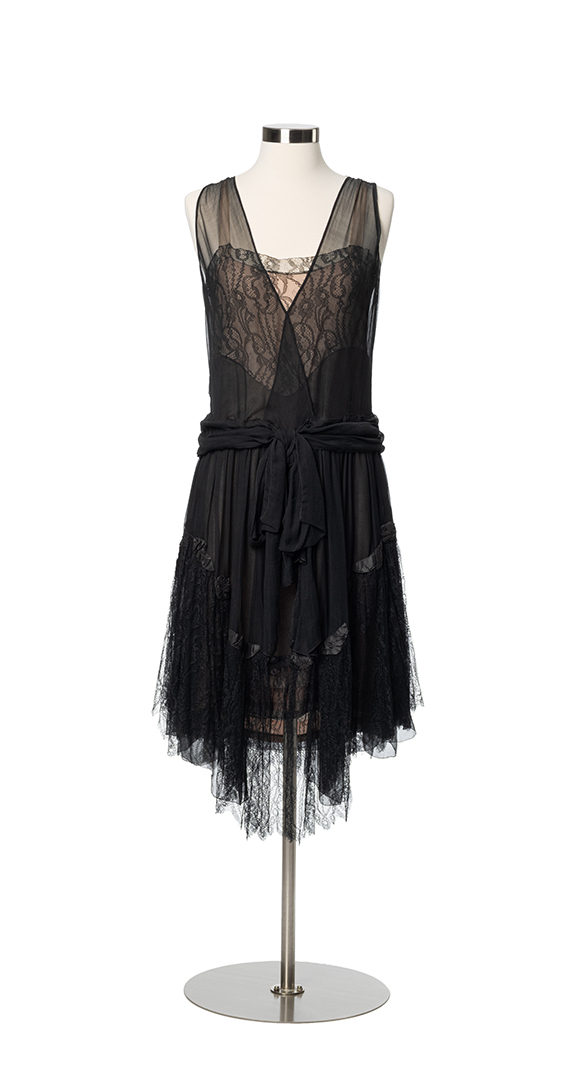
Designer Once Known (American, active 1920s), Chiffon Dress, c. 1925; silk chiffon and lace; Courtesy of Wichita-Sedgwick County Historical Museum, Gift of Rhonda Vickers. Photo: Kirk Eck.
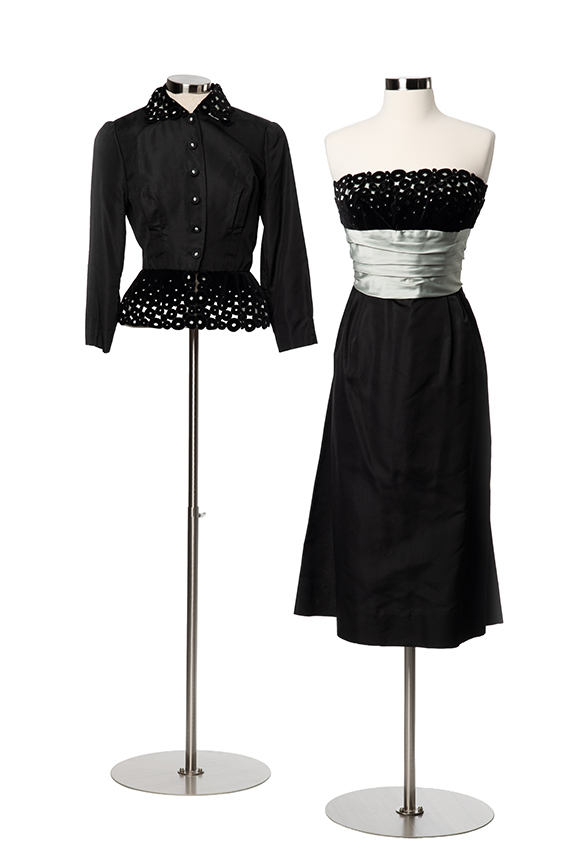
Howard Greer (American, 1896–1974), Silk Grosgrain Suit, c. 1950; silk grosgrain, silk satin, silk velvet; Courtesy of Wichita-Sedgwick County Historical Museum, Gift of the Estate of Anne Katherine Innes Phillips. Photo: Kirk Eck.
Installation view of Little Black Dress at 100 at the Wichita Art Museum, Wichita, Kansas, June 28–November 30, 2025; Image courtesy of the Wichita Art Museum. Photograph by Kirk Eck.
The Little Black Dress at 100
Celebrate a century of style, power, and reinvention. From Coco Chanel to today’s designers, the Little Black Dress remains timeless, versatile, and bold—a canvas of elegance, rebellion, and identity. Explore symbolic garments that continue to inspire, empower, and captivate across generations.
For a full century, one garment has remained an icon of style, sophistication, and cultural expression: the little black dress. From its debut in the 1920s, Coco Chanel’s revolutionary design reshaped the fashion landscape, proving that simplicity when executed brilliantly can be endlessly powerful.
The little black dress affectionately known as the LBD has captivated the world for over a century. From Audrey Hepburn’s iconic silhouette in Breakfast at Tiffany’s to Tina Turner’s fearless stage presence, and from 1990s red carpet glamour to today’s cutting-edge reinterpretations, the LBD remains a symbol of elegance, boldness, and reinvention. Included in the exhibition is a reproduction of Chanel’s model 817 from 1926, a dress only known to exist as a fashion rendering; as well as dresses by Charles James, James Galanos, Halston, Norman Norell, Bill Blass, Howard Greer, Jo Copeland, Sophie Gimbel, Calvin Klein, Jacqueline de Ribes, Thierry Mugler, and Nelly Don. Stripped of distraction, black challenges designers to showcase masterful tailoring, luxurious fabrics, and striking silhouettes. Its power lies in versatility. Whether styled for work, nightlife, celebration, or everyday sophistication, the LBD effortlessly adapts to any moment. Black is also deeply expressive. It can signify reverence or rebellion, modesty or seduction, respect or provocation. Cultural, social, and personal lenses shape how we interpret it, making the LBD a powerful medium for identity and expression. From Chanel’s groundbreaking centennial design to Christian Dior’s assertion that black is eternally chic, the little black dress has long been a shorthand for style, sophistication, and empowerment. It is at once modest and alluring, timeless and ever evolving. The Little Black Dress at brings together extraordinary garments from multiple collections, spanning haute couture to ready-to-wear. This exhibition invites visitors to explore the enduring legacy of a single dress that continues to inspire, empower, and enchant across generations. The exhibition has been co-organized by the Wichita Art Museum, The Wichita-Sedgwick County Historical Museum, and Kansas State University’s Historic Costume and Textile Museum.
Exhibition Details
Exhibit contains thirty-two garments on forms.
- Press Kit
- Registrar’s Packet
- Programming Guide
- Gallery Guide
- Text Panels
- Narrative Labels
- Full Insurance
- Installation Instructions
- Custom-Designed and Built Crates
Co-organized by the Wichita Art Museum
Exhibits USA
Tour Schedule
A Little Black Dress at 100 will tour June 2027 through May 2032. The dates below reflect seven-week exhibition periods. Dates are subject to change; please contact MoreArt@maaa.org or (866) 800-0925 for current availability.
Supporting Assets
Factsheet
Ready to book?
Contact us to learn more about booking this exhibition for your venue.