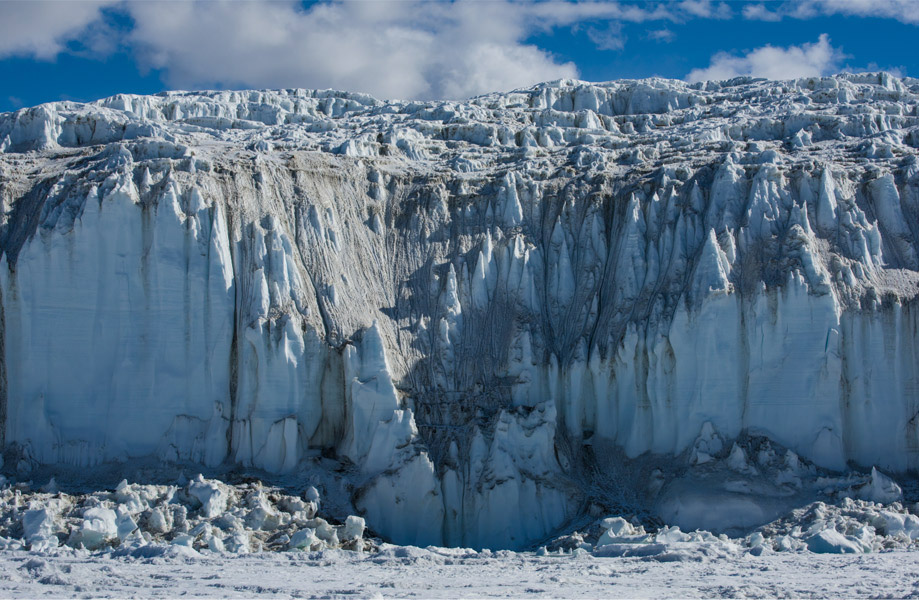
Helen Glazer, Canada Glacier from Lake Fryxell, Antarctica, 2015/2017; photograph, 32 1/2 x 50 inches (image), 33 3/4 x 51 1/4 inches (frame); Courtesy of the artist.
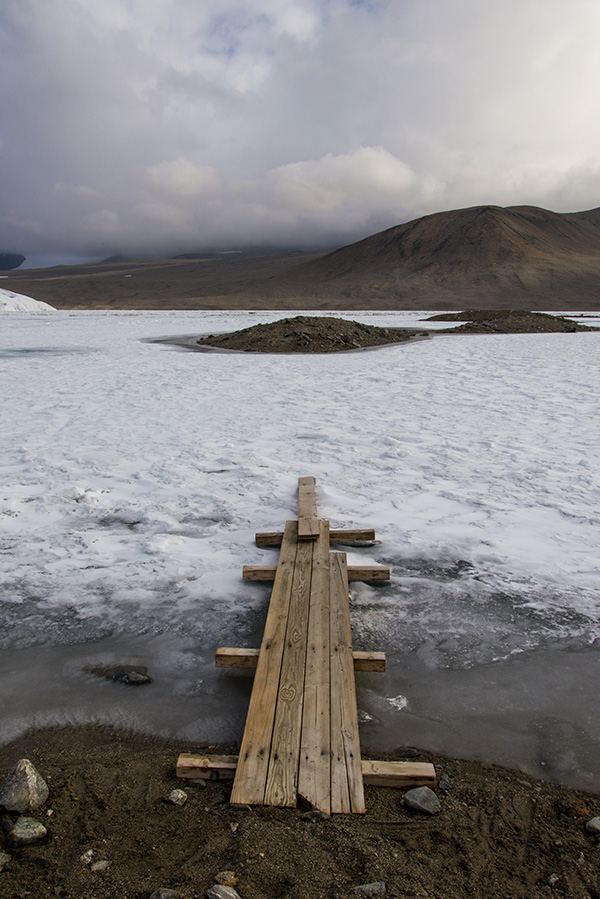
Helen Glazer, Bridge Onto Lake Hoare, Antarctica,2015/2017; photograph, 22 x 14 5/8 inches (image), 31 1/2 x 23 1/2 inches (frame); Courtesy of the artist.
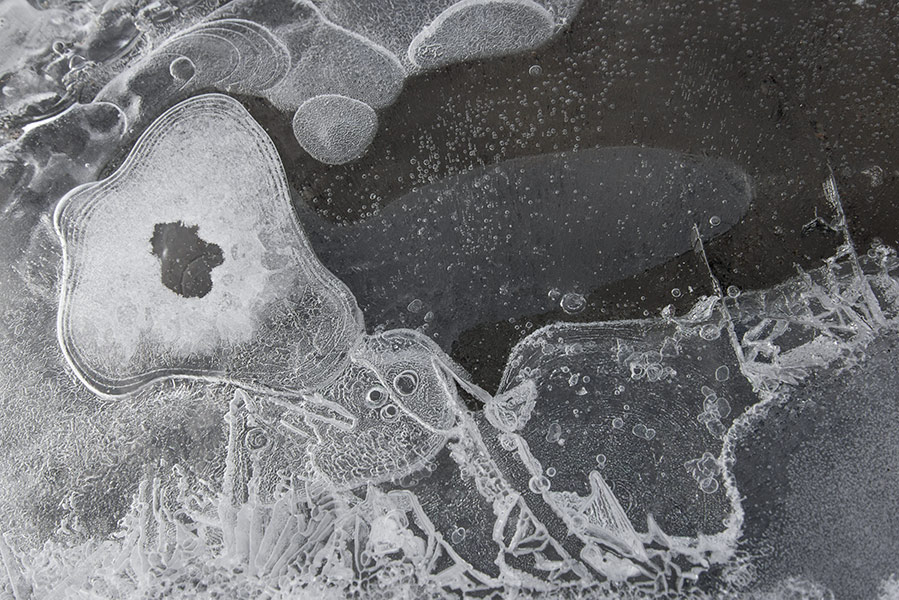
Helen Glazer, Loops and Layers, Lake Hoare, Antarctica,2015/2016; photograph, 26 3/4 x 40 inches (image), 36 x 49 inches (frame); Courtesy of the artist.
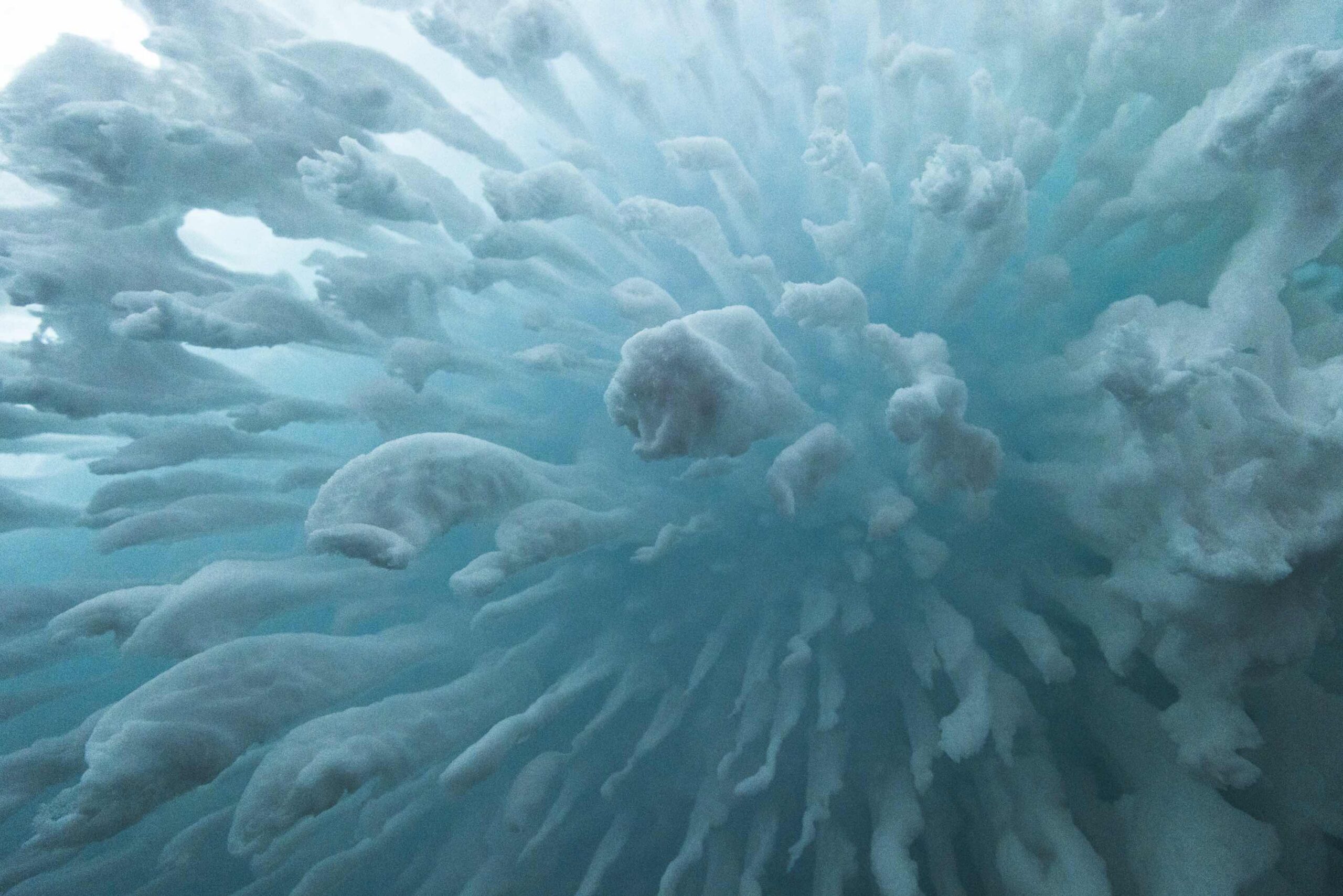
Helen Glazer, Cloudburst, Erebus Ice Tongue Cave, Antarctica,2015/2017; photograph, 26 3/4 x 40 inches (image), 36 x 49 inches (frame); Courtesy of the artist.
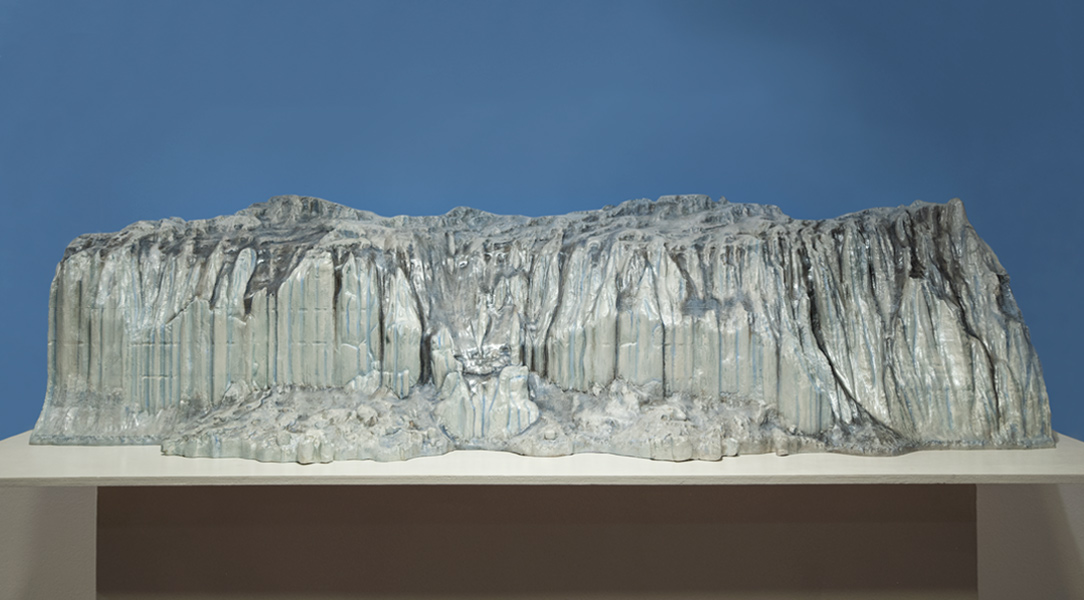
Helen Glazer, Canada Glacier from Lake Fryxell, Antarctica,2016-2017; acrylic, oil and wax on high density urethane, 15 1/2 x 60 x 17 1/2 inches; Courtesy of the artist.
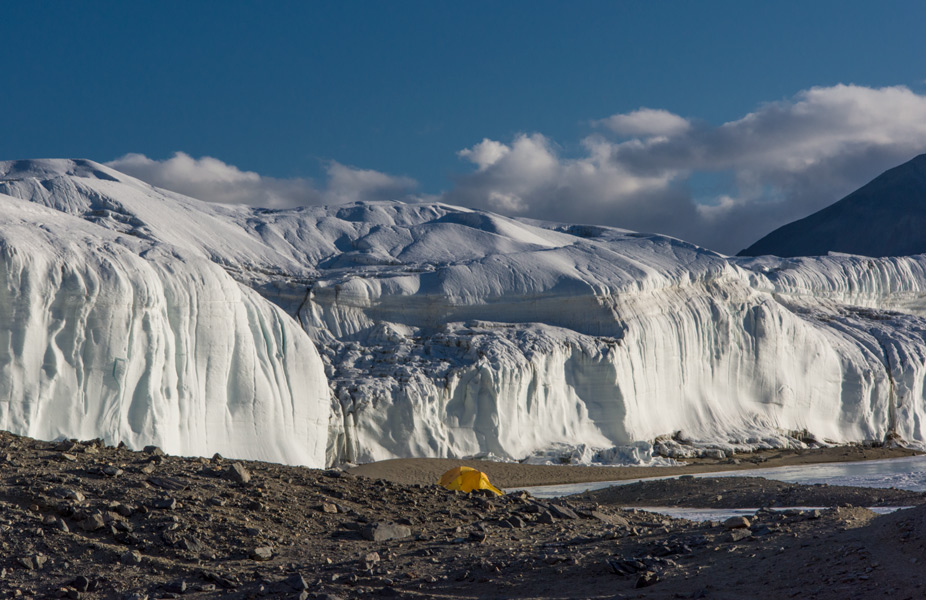
Helen Glazer, Canada Glacier, Lake Hoare Field Camp, Antarctica,2015/2017; photograph, 14 1/2 x 22 3/4 inches (image), 15 x 22 3/4 inches (frame); Courtesy of the artist.
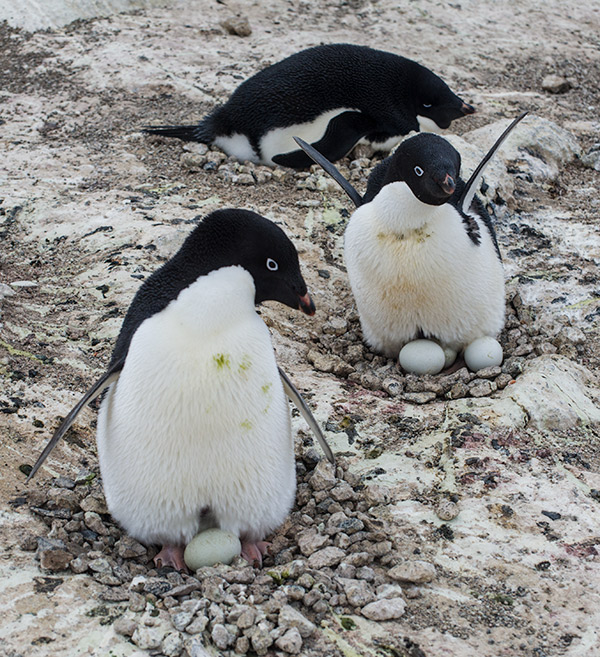
Helen Glazer, Penguin Nest with Three Eggs, Cape Royds, Antarctica,2015/2017; photograph, 17 7/8 x 16 1/4 inches (image), 18 1/4 x 16 1/2 inches (frame); Courtesy of the artist.
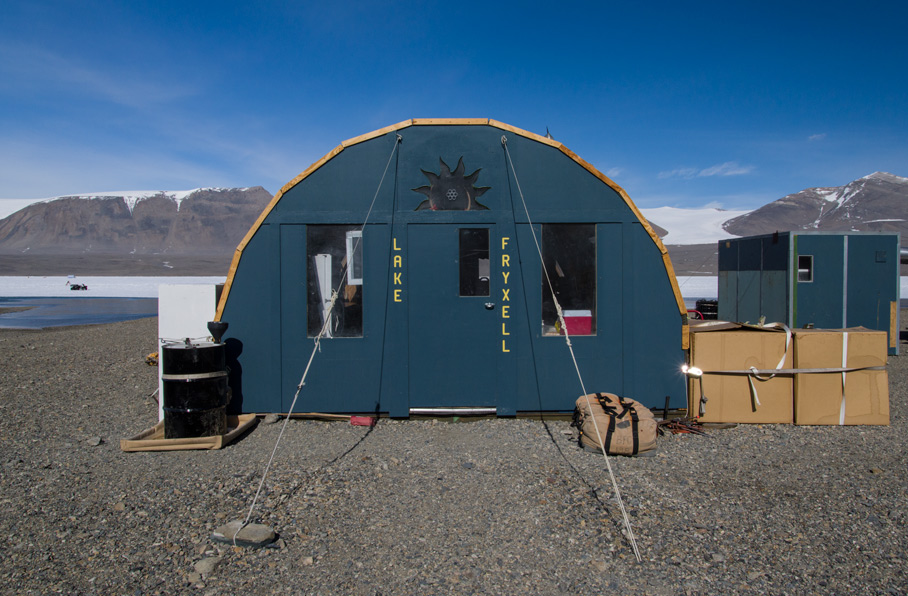
Helen Glazer, Lake Fryxell Field Camp, Antarctica,2015/2017; photograph, 14 1/4 x 21 5/8 inches (image), 14 1/2 x 22 inches (frame); Courtesy of the artist.
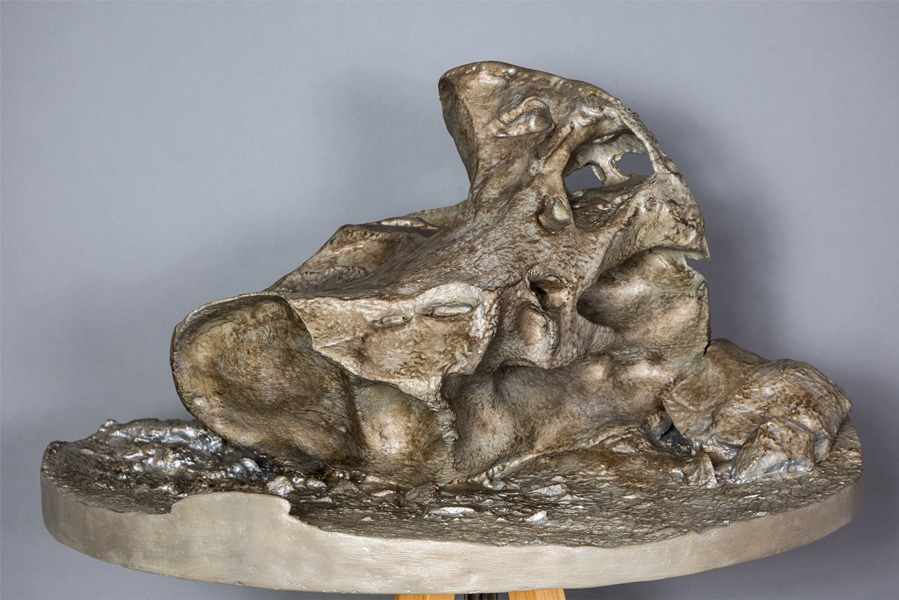
Helen Glazer, “Bird” Ventifact, Dry Valleys, Antarctica,2015/2017; acrylic on 3D-printed PLA plastic and polymer-modified gypsum, 16 x 29 1/2 x 29 1/2 inches; Courtesy of the artist.
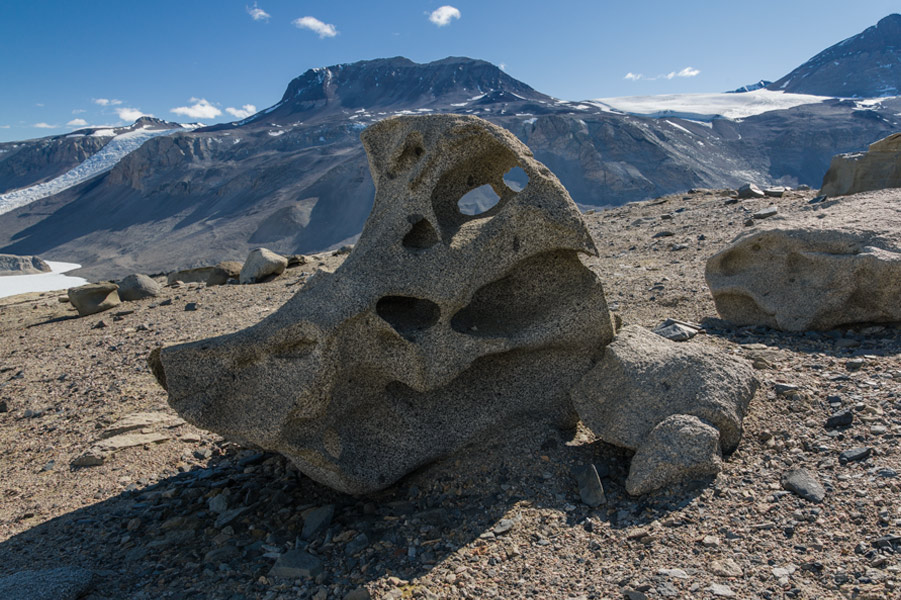
Helen Glazer, “Bird” Ventifact, Dry Valleys, Antarctica,2015/2017; photograph, 14 3/4 x 22 inches (image), 14 3/4 x 22 1/4 inches (frame); Courtesy of the artist.
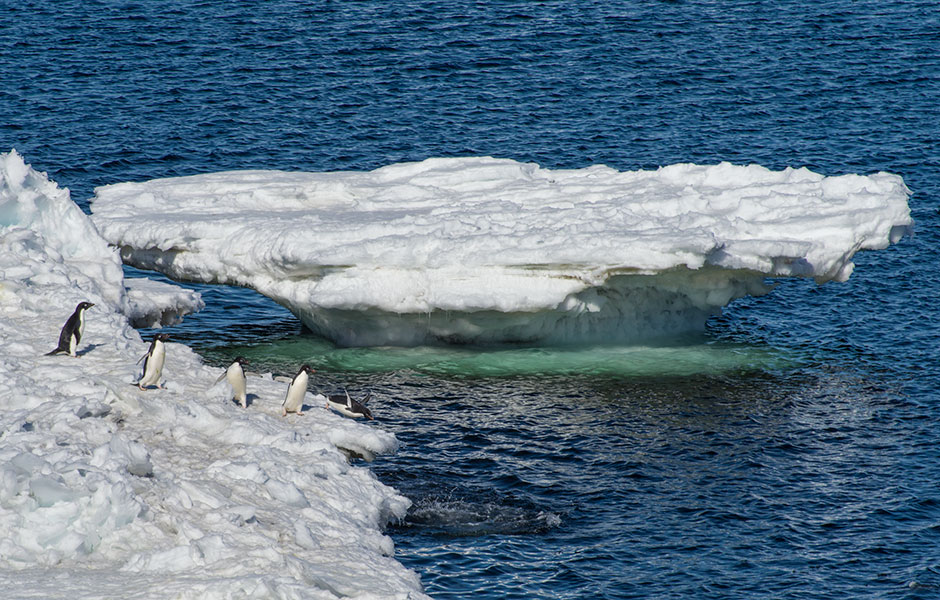
Helen Glazer, Into the Ocean, Cape Royds, Antarctica,2015/2017; photograph, 14 1/4 x 22 3/8 inches (image), 14 1/2 x 22 1/2 inches (frame); Courtesy of the artist.
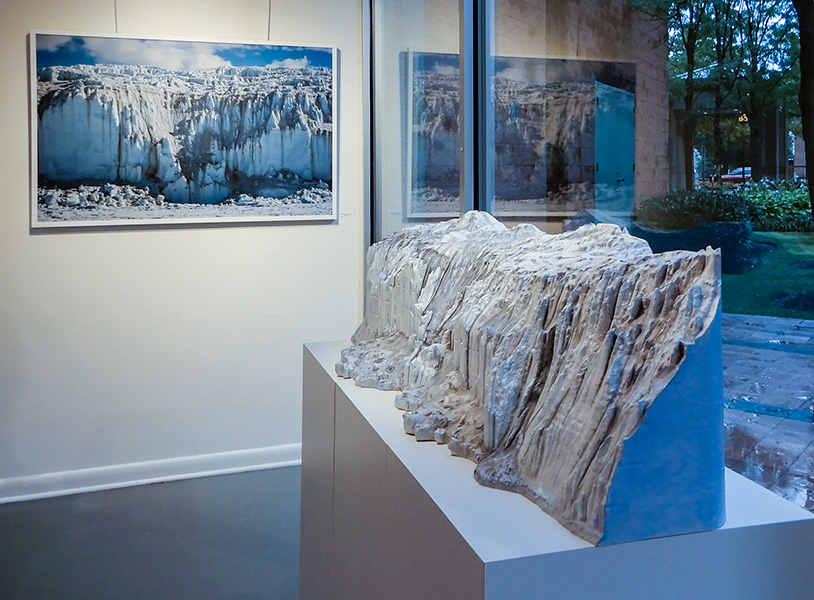
Canada Glacier from Lake Fryxell, photograph and sculpture installed at 2017 Trawick Prize
Finalist Exhibition, Gallery B, Bethesda, MD. Photograph courtesy of the artist.
Helen Glazer, Canada Glacier from Lake Fryxell, Antarctica, 2015/2017; photograph, 32 1/2 x 50 inches (image), 33 3/4 x 51 1/4 inches (frame); Courtesy of the artist.
Walking in Antarctica
Informed by artist Helen Glazer’s experiences as a part of the National Science Foundation’s Antarctic Artists and Writers Program, this immersive, interdisciplinary exhibition brings together photography, sculpture, and audio narrative to take visitors on a journey through an extraordinary environment that few people get to witness in person.
In 2015, artist Helen Glazer traveled to Antarctica as a grantee of the National Science Foundation’s Antarctic Artists and Writers Program, in order to photograph ice and geological formations for eventual production as photographic prints and sculpture. She worked out of remote Antarctic scientific field camps and had access to protected areas that can only be entered with government permits or in the company of a skilled mountaineer.
Inspired and informed by her experiences, Walking in Antarctica is an immersive, interdisciplinary exhibition bringing together photography, sculpture, and audio narrative to take the viewer on a journey through an extraordinary environment of remote places that the tourist ships do not reach and few people get to witness in person. The exhibition is organized as a series of “walks” through remarkable Antarctic landscapes: over frozen lakes, around towering glaciers and baroque sea ice formations, into a magnificent frozen ice cave, across fields of surreal-looking boulders, and through a lively colony of nesting Adélie penguins. Visitors to the exhibition who have smartphones will be able to access an audio tour narrated by Glazer, drawn from a blog in which she recorded her experiences.
Images will surprise visitors with vivid depictions of richly articulated and colorful environments that counter the common perception of a bleak, white wasteland. The sculptures offer an opportunity to experience the unique polar ice and rock formations from different vantage points as objects in space and are the first—and thus far only—such sculptural works of the Antarctic landscape.
Through her artwork, Glazer strives to convey the wonder and complexity of the natural world to others, in order to motivate a desire to protect and preserve wild places. Her study of earth science over the past several years heightened her awareness of multiple factors shaping the land over time. In recognizing that complex patterns in nature express the particular physical forces at work, she became more attuned to the interplay between geology, climate, life forms, and human activity in a given location.
That awareness informs her particular artistic vision, while her innovative application of emerging 3D technologies have enabled her to capture and communicate this vision. Glazer’s sculptures of ice and rock formations are each generated from a series of still photographs taken on site from different angles and reconstructed as 3D scans by photogrammetry software. After further editing in 3D modeling software, the resulting digital files become the basis for hand-painted sculptures made with digital fabrication technologies—CNC routers or 3D printers. For instance, the sculpture Canada Glacier from Lake Fryxell was generated from roughly 160 photographs.
Walking in Antarctica offers venues a wide array of community engagement opportunities, from the exploration of the intersections between the natural world and the artistic process, to climate change discourse, to 3D imaging workshops.
About the artist:
Helen Glazer’s work has been exhibited nationally, including group exhibitions at the Delaware Museum of Art and the New York Hall of Science; as well as the American Ambassador’s Residence in Lima, Peru, as part of the State Department’s Art-in-Embassies Program. She is a past recipient of awards from the Maryland State Arts Council. including an Individual Artist’s Award in Photography, and was 2014–15 artist-in-residence for the Baltimore Ecosystem Study, where she collaborated with scientists and made photographs and sculpture inspired by their research on urban ecology. She has also published articles about art-making and artists, in magazines and journals such as Artes, Artpapers, and Feminist Studies.
This project is organized by Mid-America Arts Alliance and is an adaptation of the artist’s solo exhibition of the same title held at the Rosenberg Gallery at Goucher College (Baltimore, MD) that was funded in part by grants from the Greater Baltimore Cultural Alliance and the Puffin Foundation.
Creation of this work was made possible in part by a Rubys Artist Project Grant, a program of the Greater Baltimore Cultural Alliance conceived and initiated with funding from the Robert W. Deutsch Foundation, and by a Puffin Foundation Artist Grant.
Additional preparation information:
Venues are not responsible for providing pedestals or vitrines for the sculptural works in the show. M-AAA staff has designed knockdown shelves for these works, which will travel inside the shipping crates themselves. Please note that most of the sculptural works are very lightweight (five to ten pounds), though one work weighs sixty-five pounds. For this reason, the hosting venue should plan to install the shelf for this work by anchoring into the wall’s studs or by attaching to a reinforced wall.
Exhibition Details
33 framed archival pigment prints, 4 sculptures, 1 A.V. kiosk, 3 panels
- Press Kit
- Registrar’s Packet
- Programming Guide
- Text Panels
- Narrative Labels
- Full Insurance
- Installation Instructions
- Custom-Designed and Built Crates
ExhibitsUSA
Exhibits USA
Tour Schedule
Walking in Antarctica is touring April 2022 through March 2027. The dates below reflect seven-week exhibition periods. Dates are subject to change; please contact MoreArt@maaa.org or (800) 473-3872 x208/209 for current availability.
Supporting Assets
Factsheet
Ready to book?
Contact us to learn more about booking this exhibition for your venue.