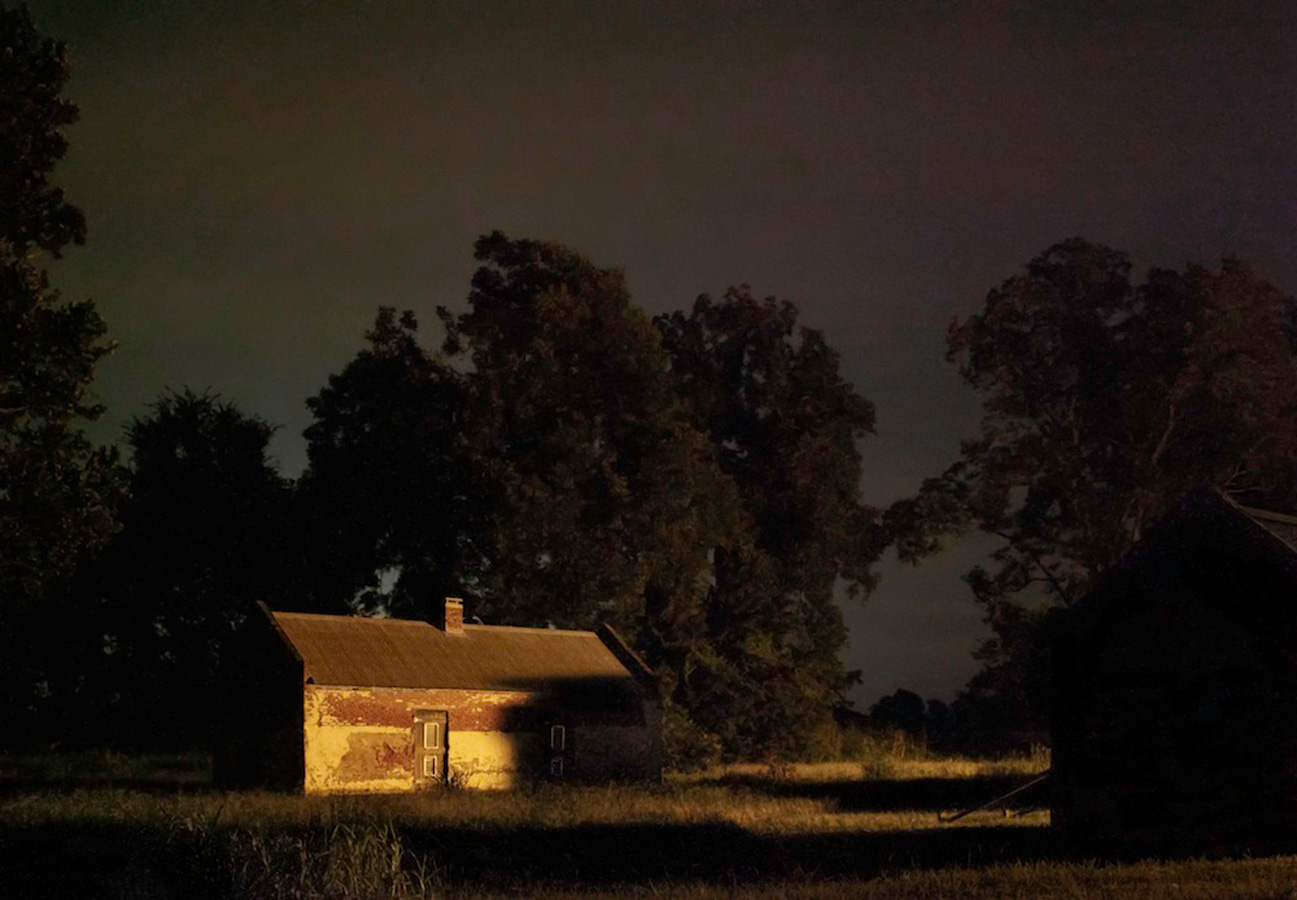
Jeanine Michna-Bales, Decision to Leave, Magnolia Plantation on the Cane River, Louisiana, 2013; digital C-print, 25 x 36 inches; © Jeanine Michna-Bales.
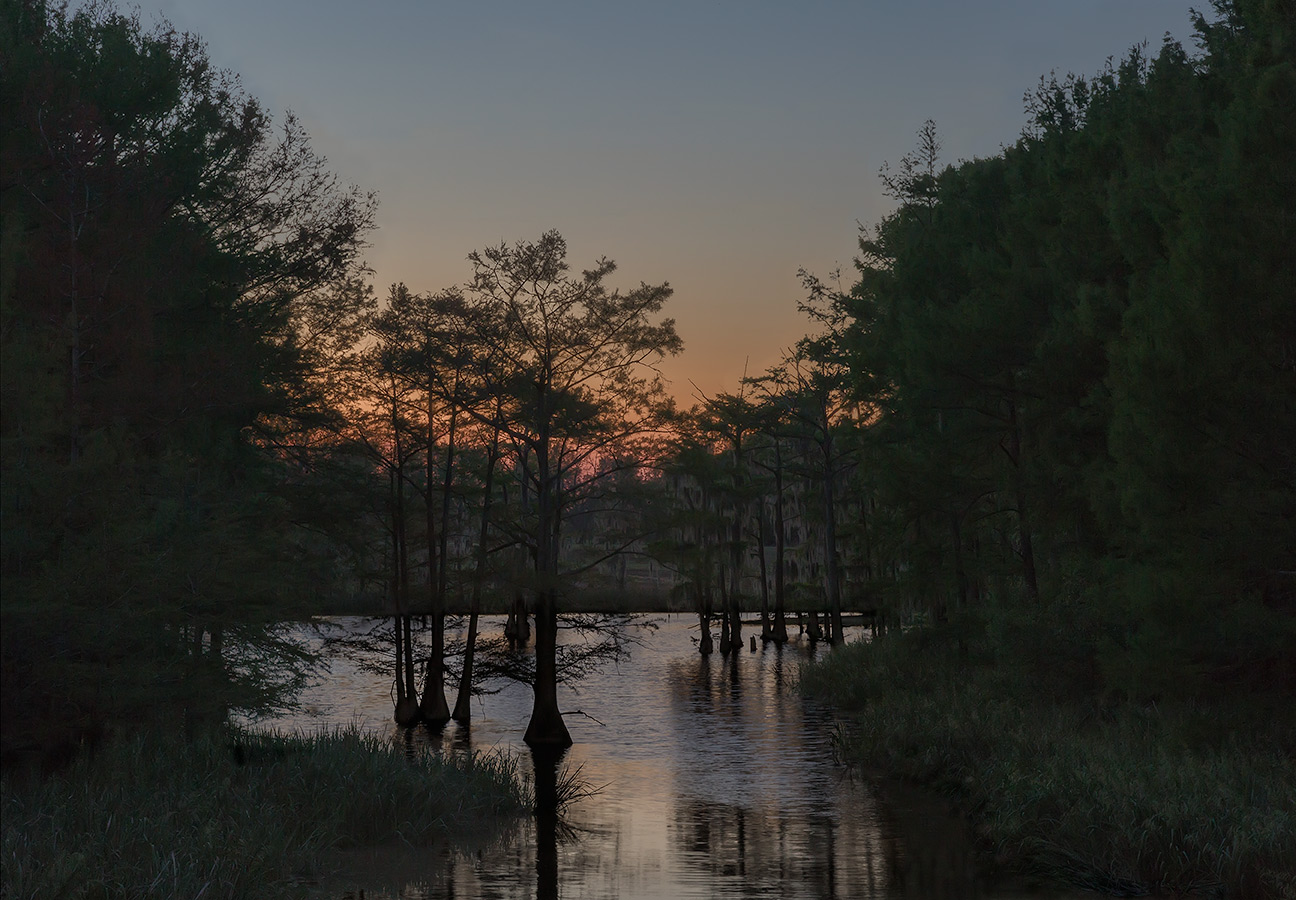
Jeanine Michna-Bales, Wading Prior to Blackness, Grant Parish, Louisiana, 2014; digital C-print, 17 x 24 1/2 inches; © Jeanine Michna-Bales.
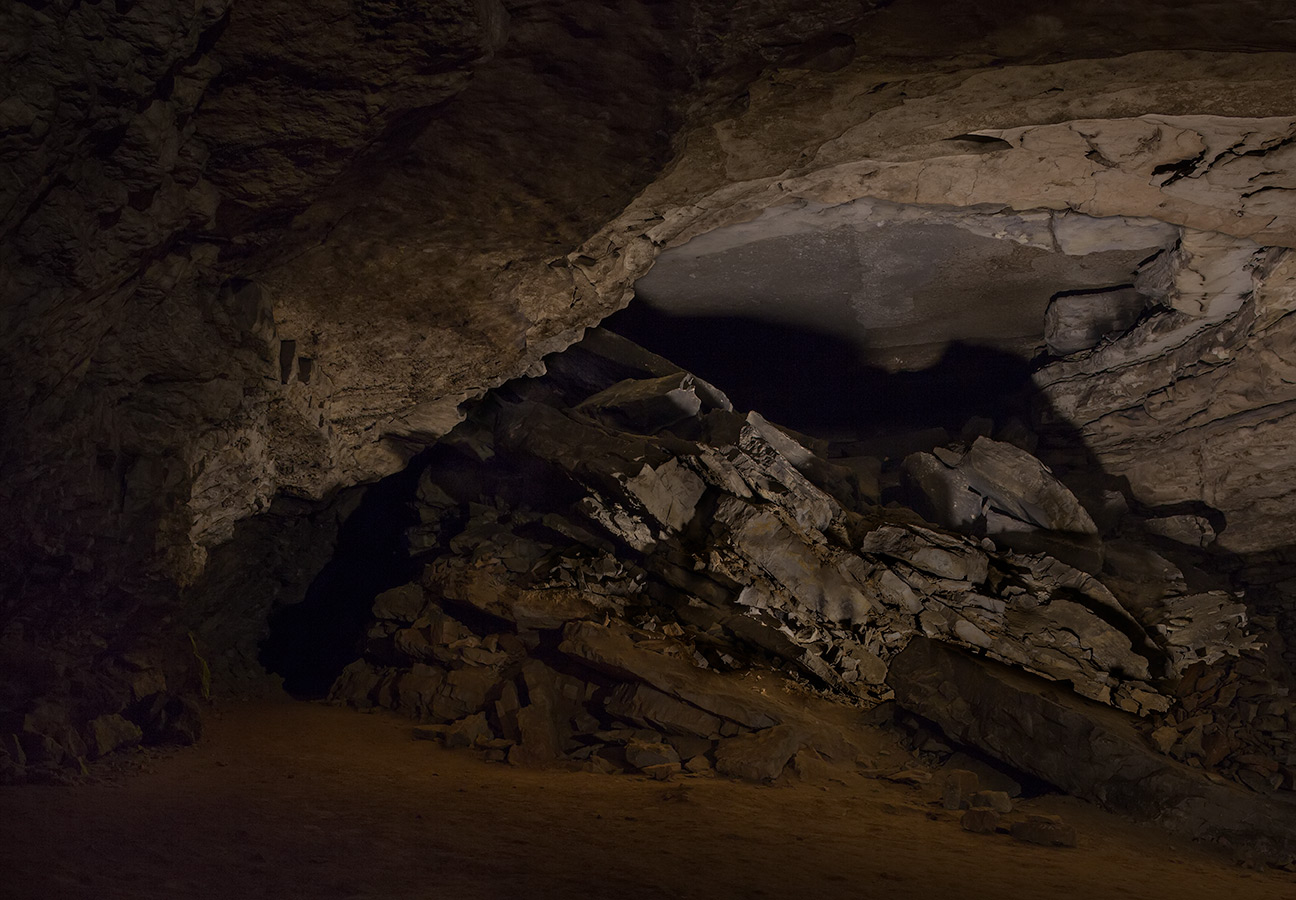
Jeanine Michna-Bales, Hidden Passage, Mammoth Cave, Barren County, Kentucky, 2014; digital C-print, 25 x 36 inches; © Jeanine Michna-Bales.
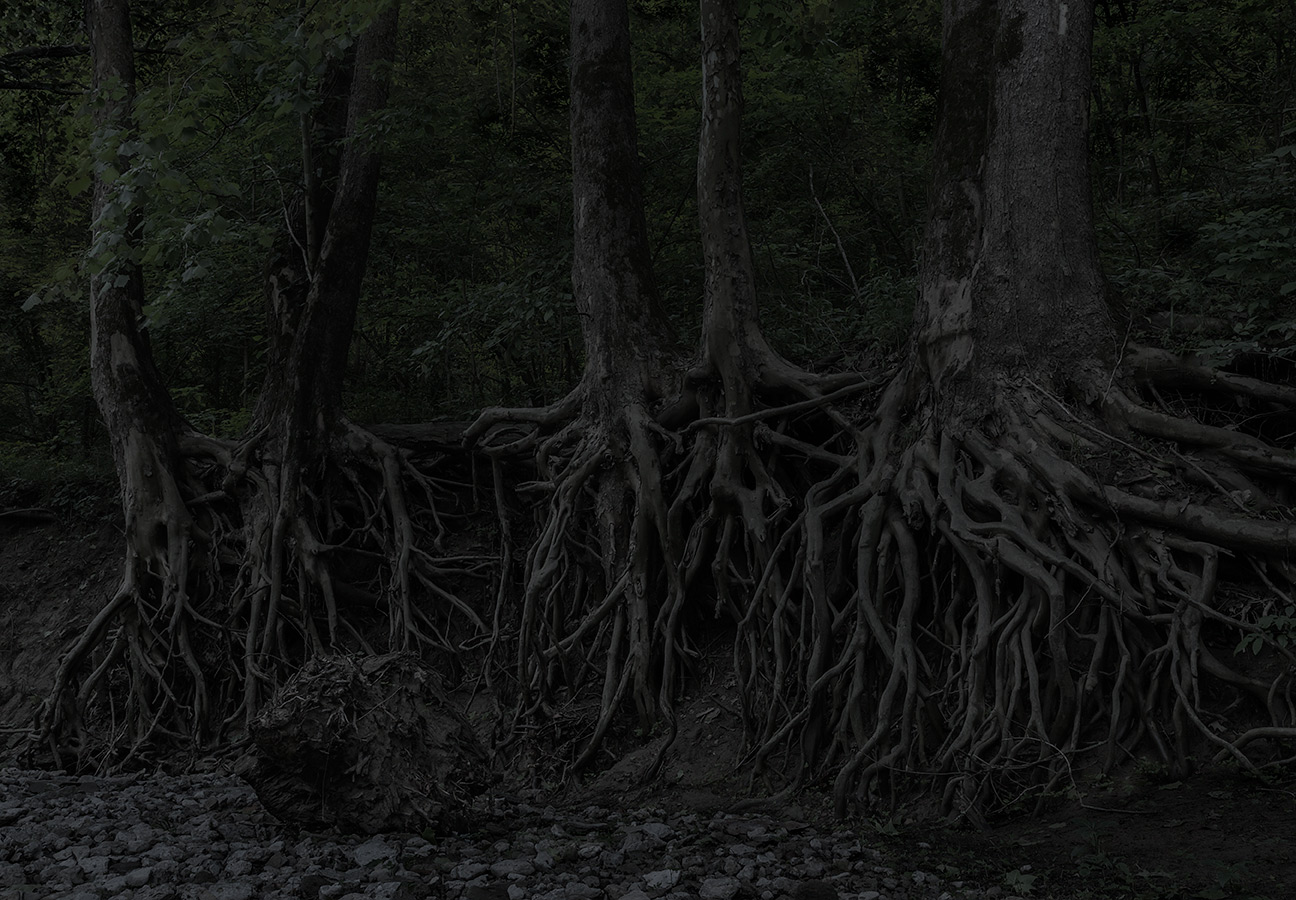
Jeanine Michna-Bales, Eagle Hollow from Hunter’s Bottom, Just Across the Ohio River, Indiana, 2014; digital C-print, 25 x 36 inches; © Jeanine Michna-Bales.
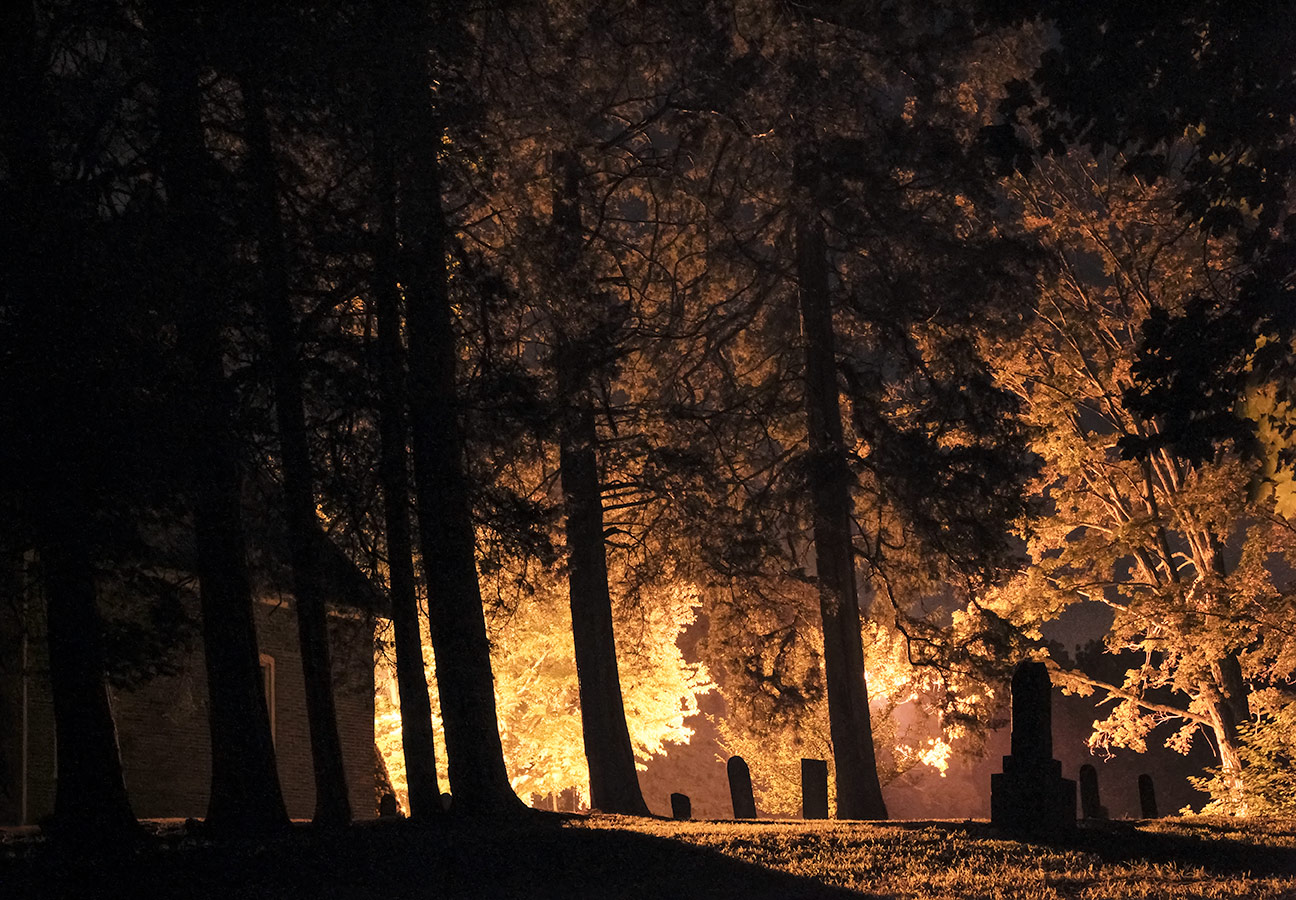
Jeanine Michna-Bales, On the Way to the Hicklin House Station, San Jacinto, Indiana, 2013; digital C-print, 17 x 24 1/2 inches; © Jeanine Michna-Bales.
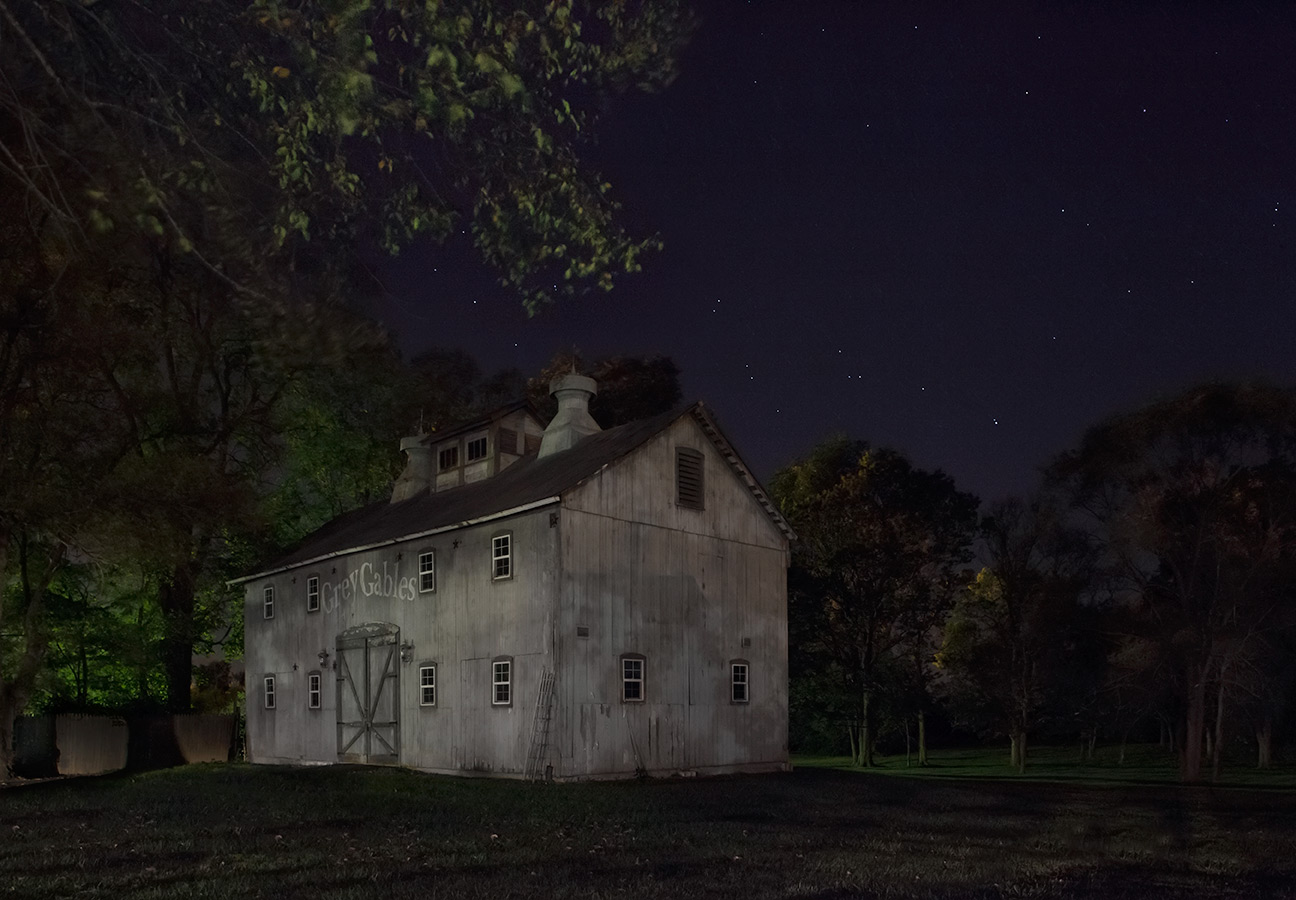
Jeanine Michna-Bales, Look for the Grey Barn Out Back, Joshua Eliason Jr. barnyards and farmhouse, with a tunnel leading underneath the road to another station, Centerville, Indiana, 2013; digital C-print, 25 x 36 inches; © Jeanine Michna-Bales.
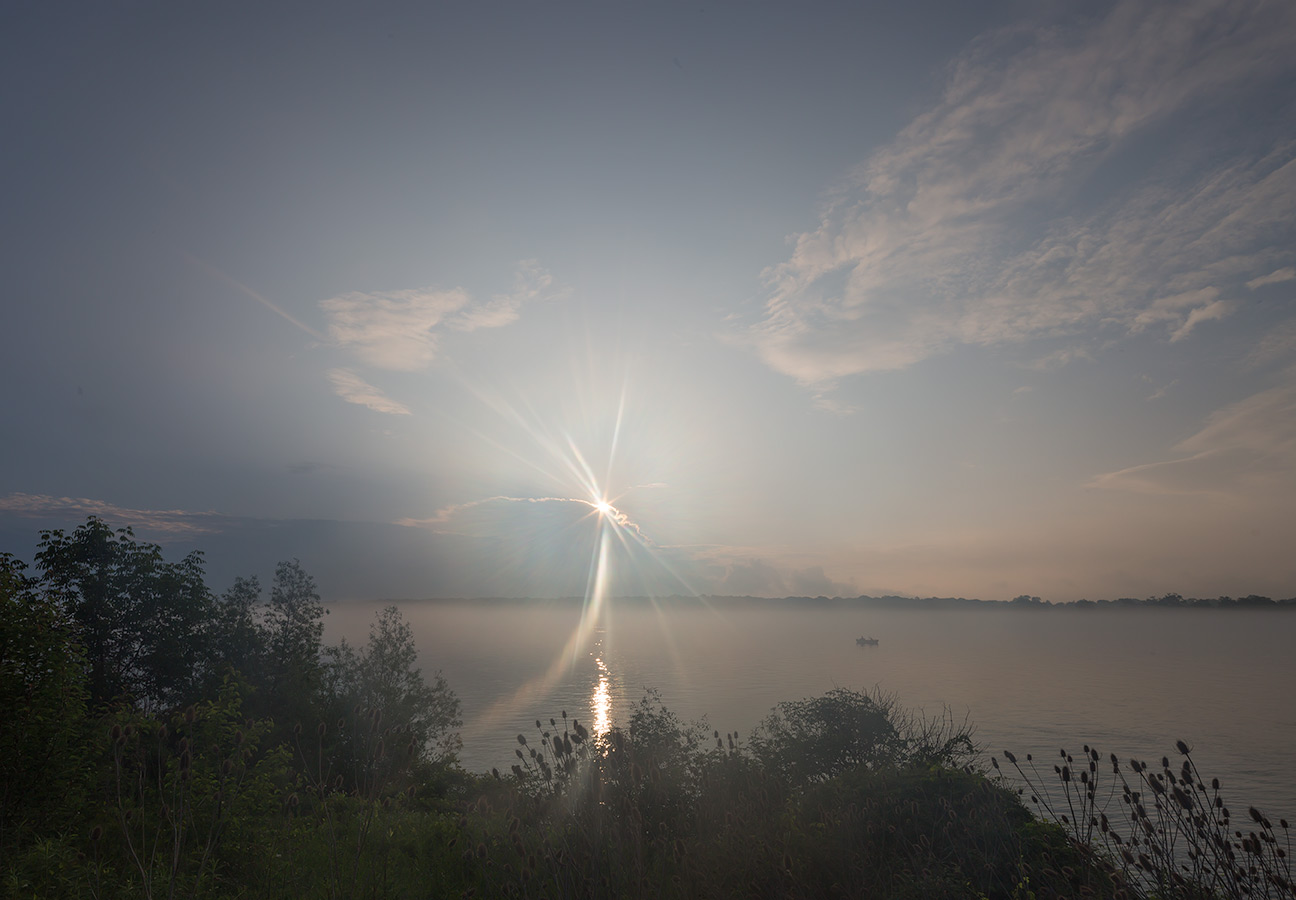
Jeanine Michna-Bales, Within Reach, Crossing the St. Clair River to Canada just south of Port Huron, Michigan, 2014; digital C-print, 25 inches x 36 inches; © Jeanine Michna-Bales.
Jeanine Michna-Bales, Decision to Leave, Magnolia Plantation on the Cane River, Louisiana, 2013; digital C-print, 25 x 36 inches; © Jeanine Michna-Bales.
Through Darkness to Light: Photographs Along the Underground Railroad
Photographer Jeanine Michna-Bales spent more than a decade researching “fugitive” enslaved people and the ways they escaped. The path she documented is based on actual sites they passed through during their journeys.
TOUR EXTENDED! NEW DATES AVAILABLE!
They left during the middle of the night—often carrying little more than the knowledge that moss grows on the north side of trees. An estimated 100,000 enslaved people between 1830 and the end of the Civil War in 1865 chose to embark on this journey in search of freedom. They moved in constant fear of being killed or recaptured, returned, and beaten as an example of what would happen to others who might choose to run. Under the cover of darkness, “fugitives” traveled roughly twenty miles each night traversing rugged terrain while enduring all the hardships that Mother Nature could bring to bear. Occasionally, they were guided from one secret, safe location to the next by an ever-changing, clandestine group known as the Underground Railroad. Many consider the Underground Railroad to be the first great freedom movement in the Americas and the first time when people of different races and faiths worked together in harmony for freedom and justice.
Photographer Jeanine Michna-Bales has spent more than a decade meticulously researching “fugitive” enslaved people and the ways they escaped to freedom. While the unnumbered routes of the Underground Railroad encompassed countless square miles, the path Michna-Bales documented encompasses roughly 2,000 miles and is based off of actual sites, cities, and places that freedom-seekers passed through during their journey.
Whether they were enslaved people trying to escape or free Black and white persons trying to help, both sides risked everything for the cause of freedom. From the cotton plantations south of Natchitoches, Louisiana, all the way north to the Canadian border, this series of photographs by Michna-Bales helps us imagine what the long road to freedom may have looked like as seen through the eyes of one of those who made this epic journey.
While many books have been written on the subject, there is very little visual documentation of the Underground Railroad because of its secretive nature. Today, as America becomes more and more diverse, Michna-Bales believes that an understanding of the experience—and those who lived through it—is more relevant than ever. The Underground Railroad united people from different races, genders, social levels, religions, and regions in a common and worthwhile cause. It was the first civil rights movement within America. Through Darkness to Light: Photographs Along the Underground Railroad encourages visitors to learn more, ask questions, and open a dialogue on the subject, and in the end, provide a better understanding of our origins.
This exhibition features beautifully dramatic color photographs, ephemera, and narratives that together tell the story of the Underground Railroad. A publication that combines eighty-two original photographs and text with a diverse sampling of related ephemera is available for purchase here.
From an evaluation from the Griot Museum of Black History & Culture (Saint Louis, MO) about Through Darkness to Light: Photographs Along the Underground Railroad:
“The photography is stunning and the message profound. An interesting way to interpret the story. [The] programming grant made it possible to offer three rather than one program. Each program, different in content and artistic merit, added a unique interpretation to the exhibit and to the work of the artist. The programming also provided us the opportunity to engage multiple artist and subsequently the greater opportunity for our audience to interact with them.”
Exhibition Details
48 chromogenic color prints, 17 quote panels, and 3 informational panels
- Press Kit
- Registrar’s Packet
- Programming Guide
- Gallery Guide
- Text Panels
- Narrative Labels
- Full Insurance
- Installation Instructions
- Custom-Designed and Built Crates
ExhibitsUSA
Exhibits USA
Tour Schedule
Through Darkness to Light: Photographs Along the Underground Railroad is touring January 2017 through May 2032. The dates below reflect seven-week exhibition periods. Extended dates for this exhibition will soon be posted; please contact MoreArt@maaa.org or (800) 473-3872 x208/209 for more information or to place a hold.
Supporting Assets
Factsheet
Ready to book?
Contact us to learn more about booking this exhibition for your venue.