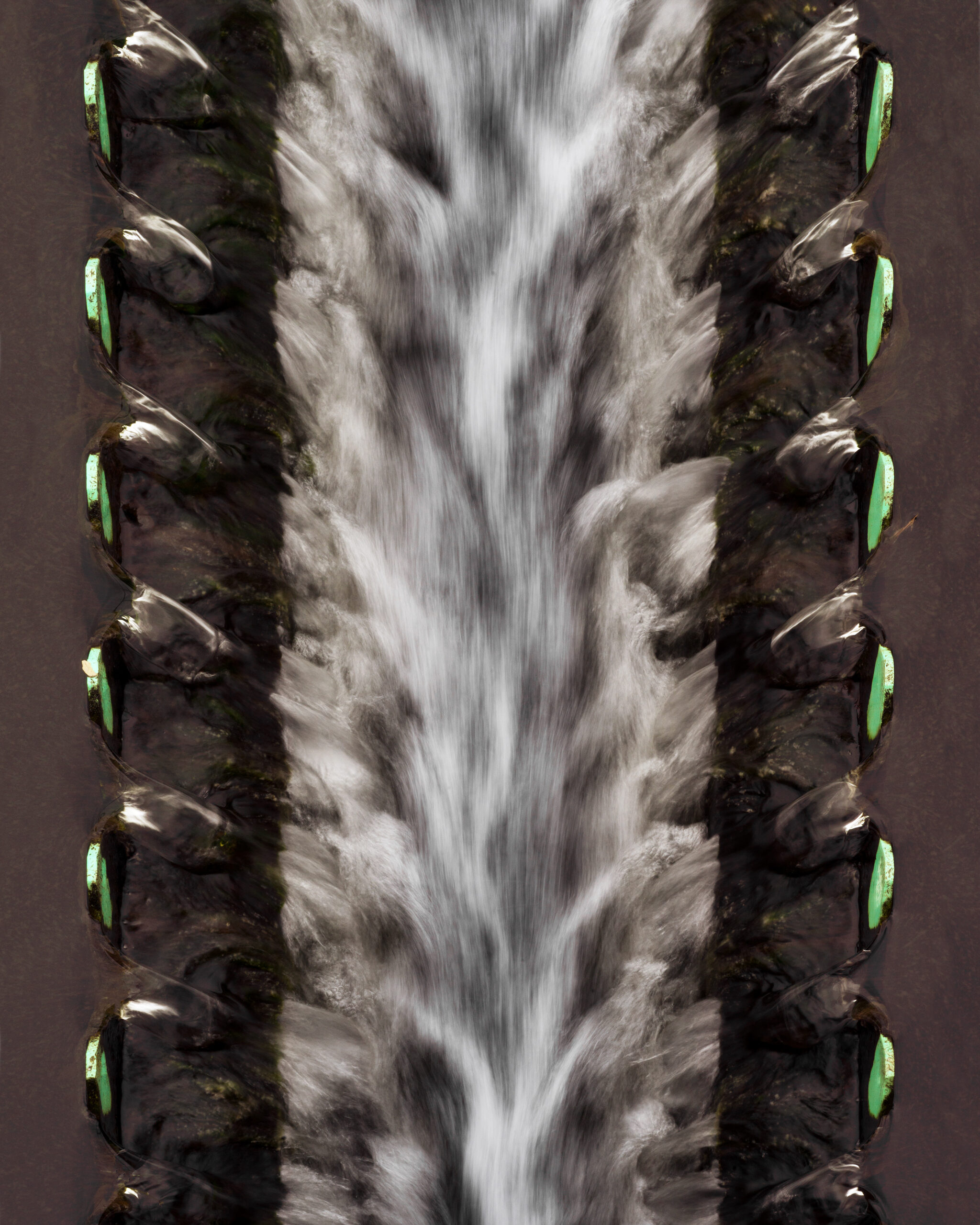
Brad Temkin, BETWEEN, Philadelphia, Pennsylvania, 2018; ink on paper, 40 x 32 inches; Courtesy of the artist.
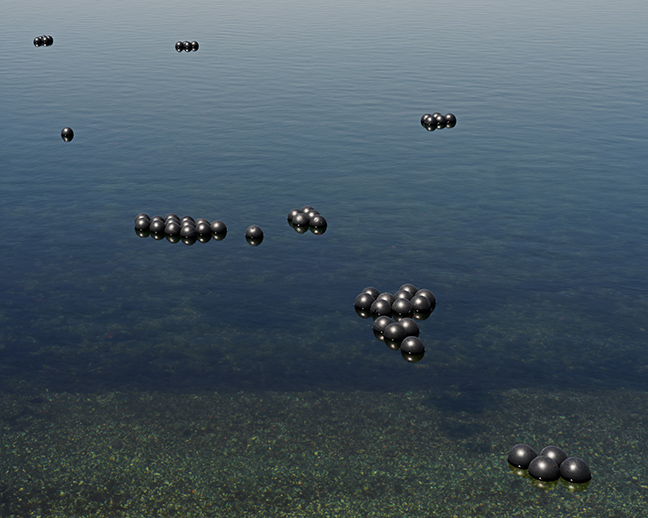
Brad Temkin, FLOATING SHADE BALLS, Los Angeles, California, 2018; ink on paper, 20 x 25 inches; Courtesy of the artist.
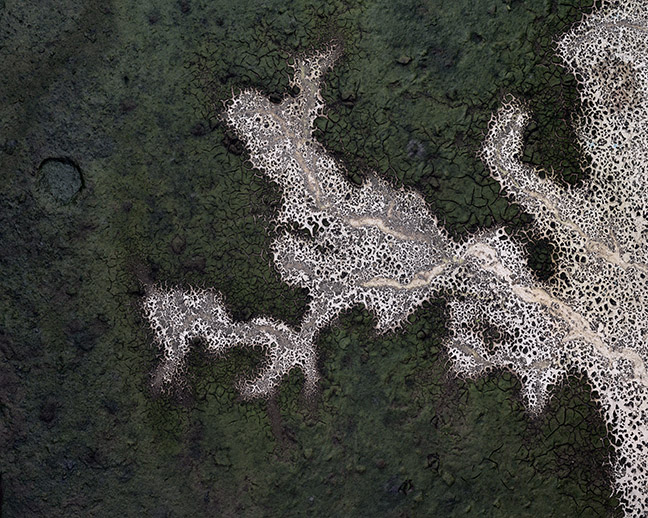
Brad Temkin, ENCROACHMENT, Phoenix, Arizona, 2018; ink on paper, 32 x 40 inches; Courtesy of the artist.
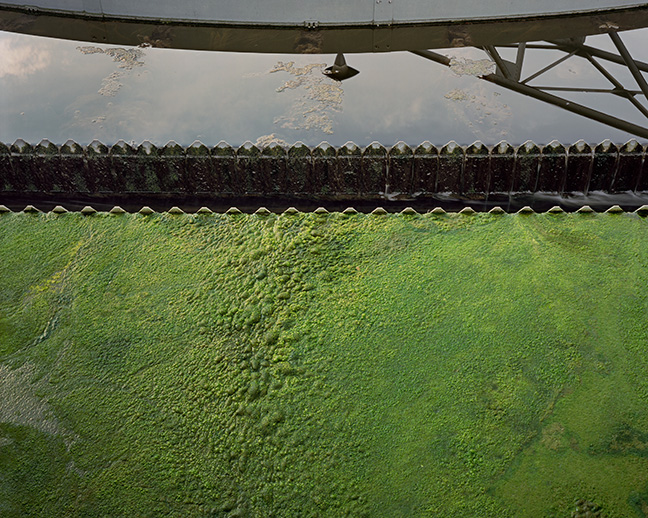
Brad Temkin, ALGAE, Chicago, Illinois, 2016; ink on paper, 32 x 40 inches; Courtesy of the artist.
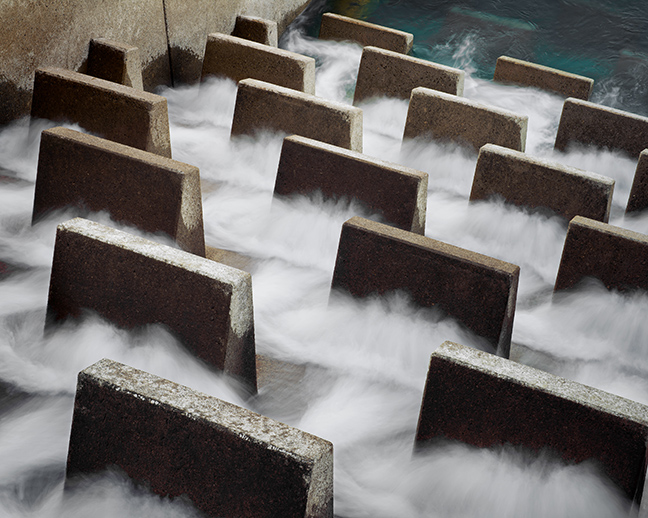
Brad Temkin, DIFFUSERS, Los Angeles, California, 2018; ink on paper, 20 x 25 inches; Courtesy of the artist.
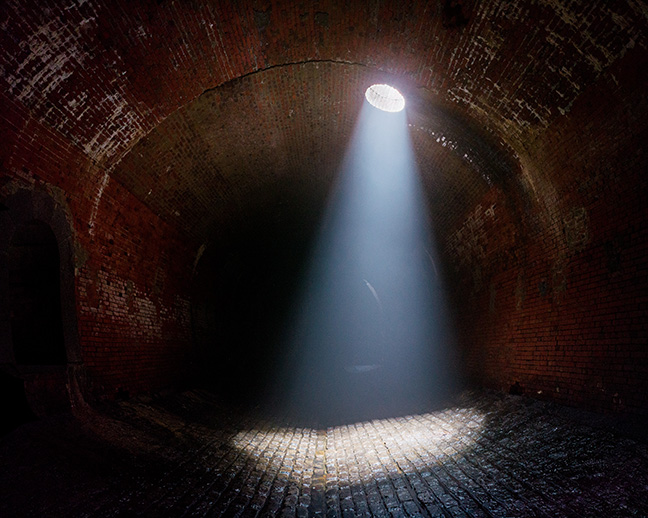
Brad Temkin, SEWER, Philadelphia, Pennsylvania, 2017; ink on paper, 32 x 40 inches; Courtesy of the artist.
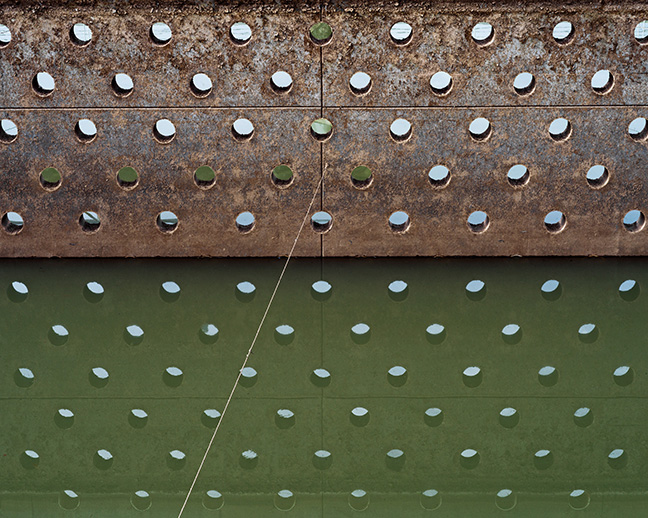
Brad Temkin, FIXING A HOLE, Phoenix, Arizona, 2018; ink on paper, 20 x 25 inches; Courtesy of the artist.
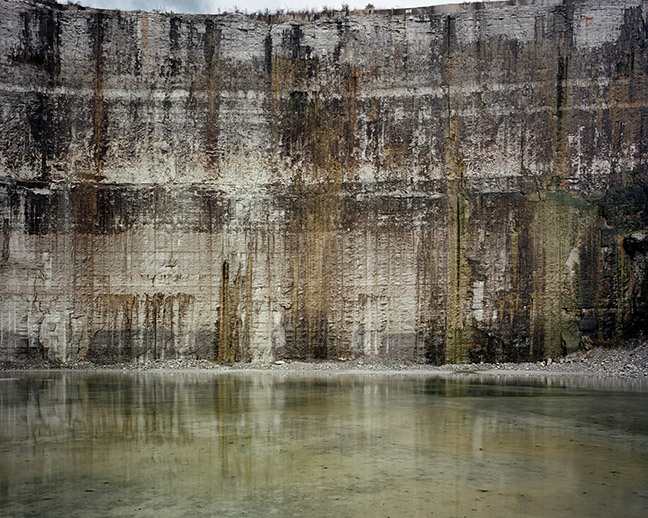
Brad Temkin, RESERVOIR, Chicago, Illinois, 2017; ink on paper, 32 x 40 inches; Courtesy of the artist.
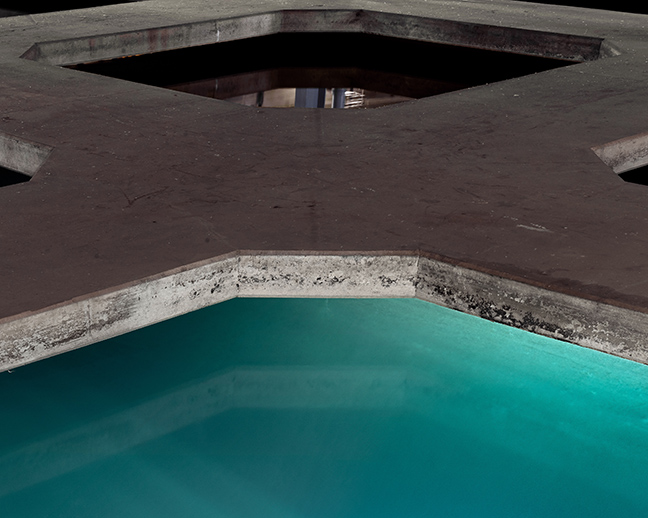
Brad Temkin, FLOCCULATORS, Chicago, Illinois, 2017; ink on paper, 20 x 25 inches; Courtesy of the artist.
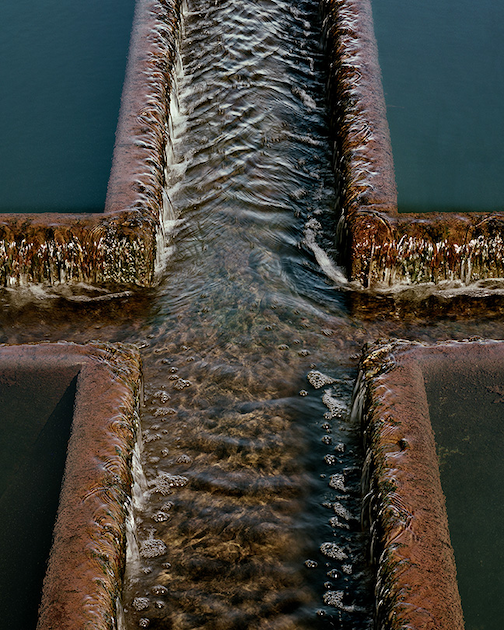
Brad Temkin, TREATED WATER, Philadelphia, Pennsylvania, 2017; ink on paper, 40 x 32 inches; Courtesy of the artist.
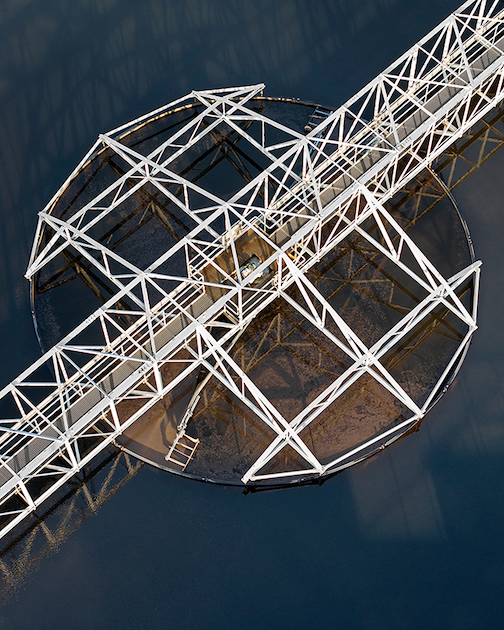
Brad Temkin, BAFFLE RING, Milwaukee, Wisconsin, 2017; ink on paper, 25 x 20 inches; Courtesy of the artist.
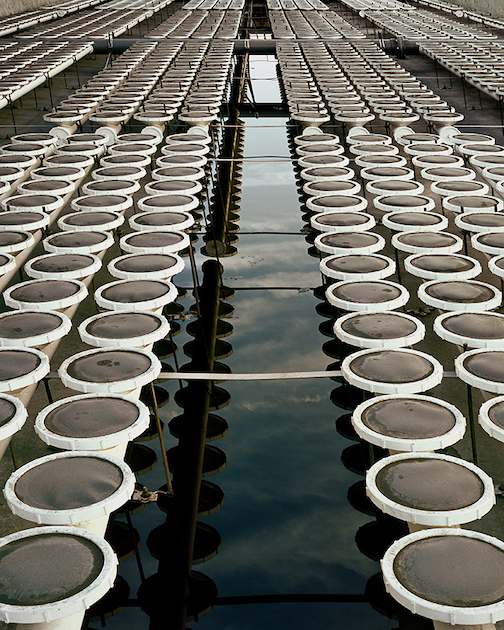
Brad Temkin, AERATION DISCS, Los Angeles, California, 2017; ink on paper, 25 x 20 inches; Courtesy of the artist.
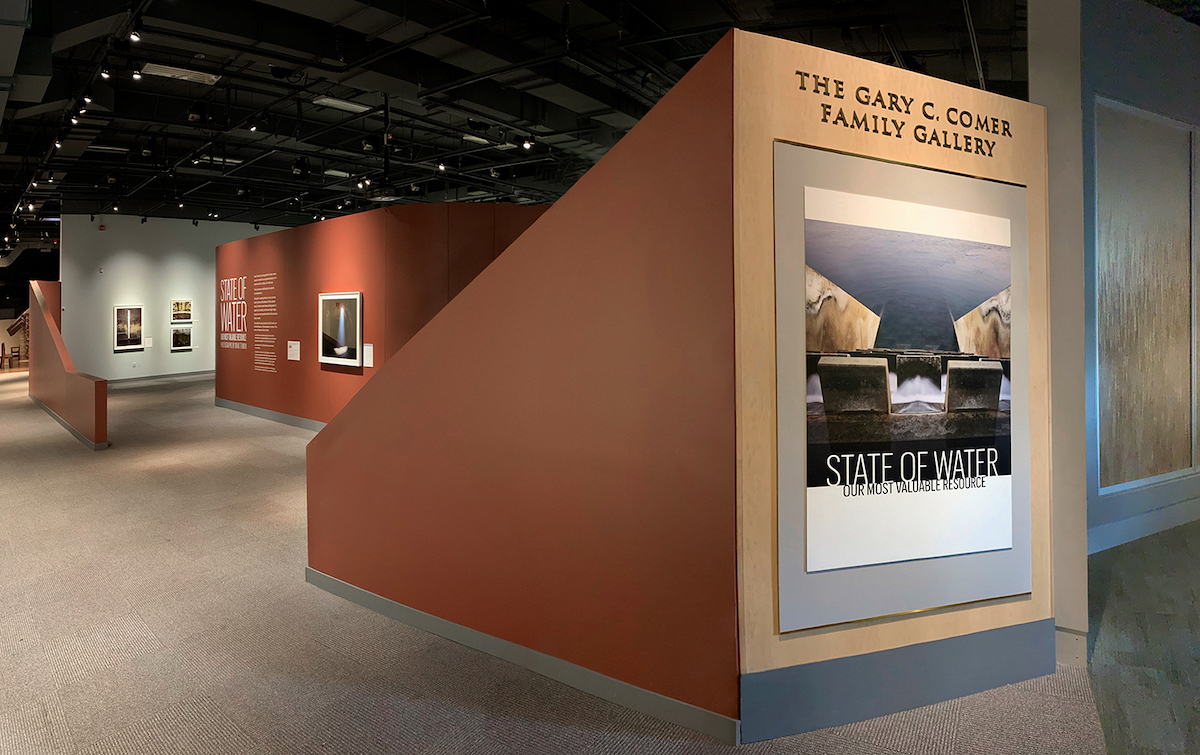
Installation view of State of Water at the Field Museum. Chicago, Illinois, September 2019 – January 2020; Photography © Field Museum / Photographer: John Weinstein.
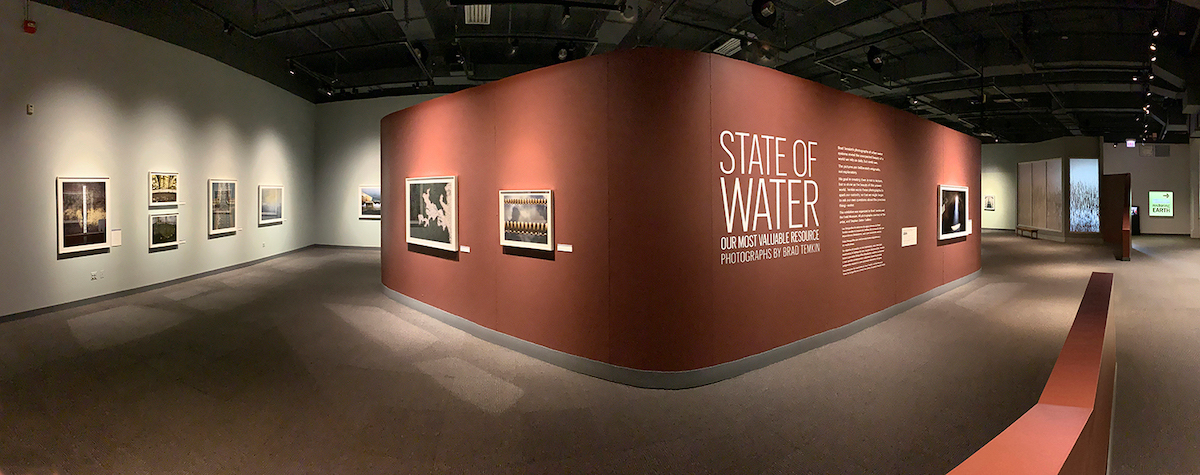
Installation view of State of Water at the Field Museum. Chicago, Illinois, September 2019 – January 2020; Photography © Field Museum / Photographer: John Weinstein.
Brad Temkin, BETWEEN, Philadelphia, Pennsylvania, 2018; ink on paper, 40 x 32 inches; Courtesy of the artist.
The State of Water: Our Most Valuable Resource
Only 0.007 percent of the planet’s water is available to fuel and feed its 8 billion people. Guggenheim Fellow Brad Temkin’s photography puts visitors face-to-face with the systems and techniques that deliver our most valuable natural resource. In doing so, the exhibition encourages us to see water conservation as a process we can all get involved in.
Only 0.007 percent of the planet’s water is available to fuel and feed its eight billion people. Brad Temkin’s photography puts visitors face-to-face with the systems and techniques that deliver our most valuable natural resource. In doing so, the exhibition encourages us to see water conservation as a process we can all get involved in.
Water stands as the most important chemical compound used by humans daily, and polling shows many Americans care deeply about water quality. But despite highly visible water crises—like the high lead levels in Flint, Michigan, and scarcity within the Navajo Nation—the quality and safety of drinking water often are taken for granted. It comes out of a faucet or a fountain, initiated by an easy turn of the knob or push of a button. In truth, that water has taken a much longer and complicated journey to reach us, having traveled through a vast network of systems that most of us will never see.
In The State of Water: Our Most Valuable Resource, Guggenheim award-winning photographer Brad Temkin continues his longstanding attention to our relationship with nature—how we appreciate and accommodate it, and how it accommodates us. Temkin’s pictures celebrate ideas in water and wastewater engineering design, showing the inventiveness in architecture and infrastructure necessary to meet our needs and to accommodate nature.
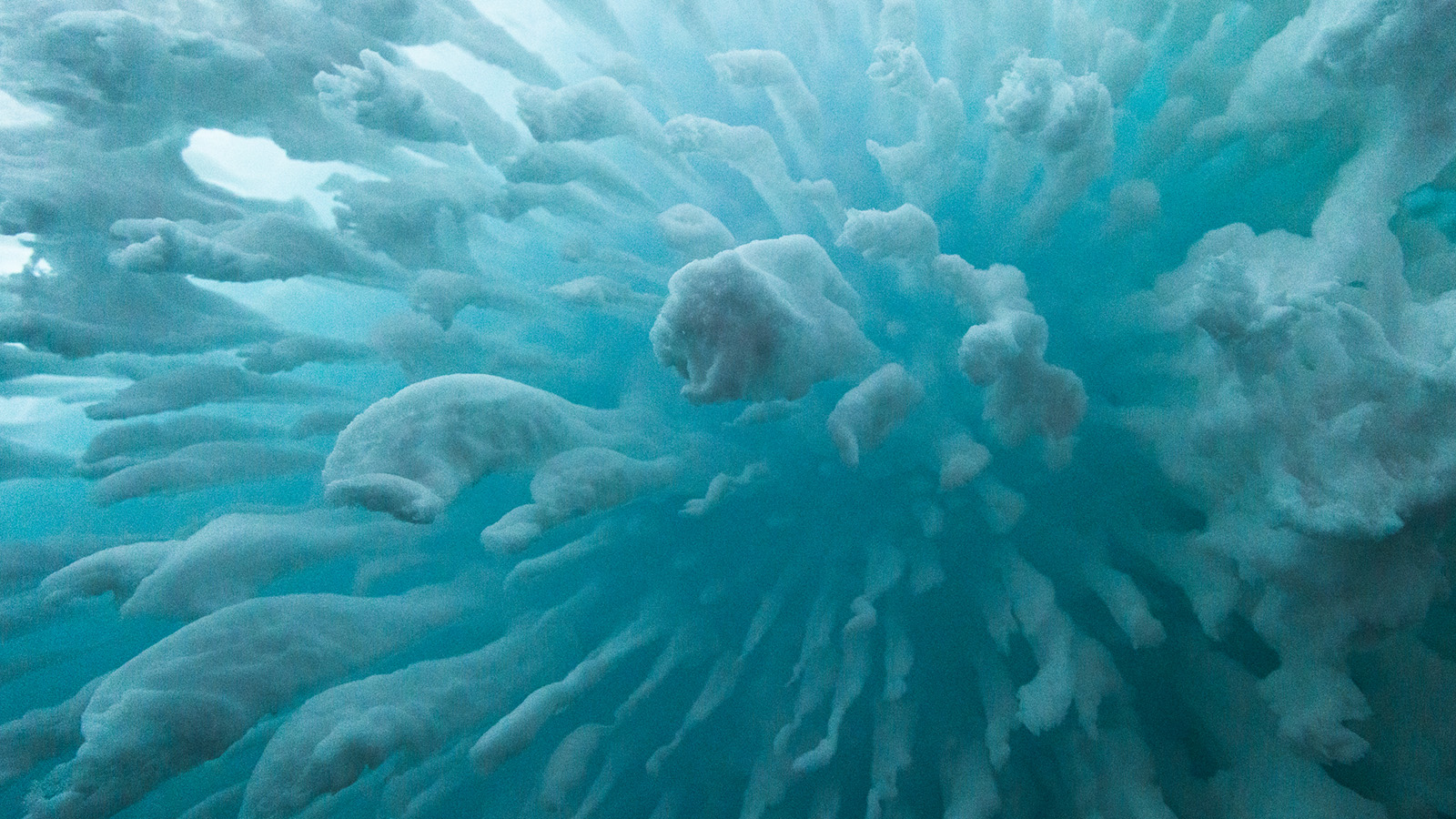
Temkin’s photographs document and reveal beauty in all states of water from sludge to pure; and advocates for our need to conserve and reclaim our most valuable and essential resource on Earth. He states, “I am attracted to the strangeness of these forms and the distorted sense of scale, embracing the abstract and at times surreal landscape of water’s transformation.”
This bilingual exhibition (English/Spanish) is rich in STEAM information. Curious visitors of all ages will learn about the complexity of water purification and its immense importance in our day-to-day lives. Accompanying “inFLOgraphic” didactics help to demystify the infrastructure by illustrating the scientific and engineering processes of a variety of water systems, including well water systems used in rural areas.
Seventy-one percent of the earth’s surface is covered in water. Water also exists in the air as vapor, in icecaps and glaciers, in the ground as soil moisture and in aquifers. Only 2.5 percent of this is fresh water with the rest as saline and ocean-based. Only 0.007 percent of the planet’s water is available to fuel and feed its eight billion people. We need water to survive yet we take it for granted. Most stormwater runoff is considered waste; yet more than seven hundred cities reclaim wastewater and stormwater, recycling it for agricultural uses and human consumption. As we mimic nature and separate the impurities like sludge or salt or chemicals, something magical happens. Temkin is interested in bringing attention to the visual and ecological beauty of this transformation by showing the structures and processes that most people do not even think about.
“In showing people the beauty in water treatment and reclamation, my work invites the viewer to ask their own questions and become more aware. Positive and profound changes come about when groups of people work together to implement their vision. These pictures are a gateway towards having more people understand water’s vital importance, leading them to support its reclamation and sustainability.”
–Brad Temkin
About the artist
Brad Temkin (American, b.1956) is best known for his photographs of contemporary landscape. His work is held in numerous permanent collections, including those of The Art Institute of Chicago; Milwaukee Art Museum; Amon Carter Museum of American Art, Ft Worth; The Eastman Museum, Rochester; and Museum of Contemporary Photography, Chicago, among others. His images have appeared in such publications as Aperture, Black & White Magazine, TIME Magazine, and European Photography. He has been awarded numerous grants and fellowships including an Illinois Arts Council Fellowship in 2007 and a Guggenheim Fellowship in 2017. A monograph of his work titled Private Places: Photographs of Chicago Gardens (Center For American Places) was published in 2005. Temkin’s second book titled ROOFTOP (Radius Books) was released in 2015; and most recently The State of Water (Radius Books) was published in 2019. He has been an adjunct professor at Columbia College in Chicago since 1984.
This exhibition was originally organized by The Field Museum of Natural History, Chicago, and was supported by the Phillip and Edith Leonian Foundation.
(Please note the iteration of this exhibition at the Field Museum featured in the above installation images was titled State of Water, whereas EUSA’s traveling iteration is titled The State of Water.)
Exhibition Details
Approximately 34 photographic prints, 3 videos and an infographic panel detailing the path of water from its natural source to a generic tap faucet.
- Press Kit
- Registrar’s Packet
- Programming Guide
- Gallery Guide
- Text Panels
- Narrative Labels
- Full Insurance
- Installation Instructions
- Custom-Designed and Built Crates
The Field Museum of Natural History
Exhibits USA
Tour Schedule
The State of Water: Our Most Valuable Resource is touring September 2025 through August 2030. The dates below reflect seven-week exhibition periods. Dates are subject to change; please contact MoreArt@maaa.org or (800) 473-3872 x208/209 for current availability.
Supporting Assets
Factsheet
Ready to book?
Contact us to learn more about booking this exhibition for your venue.