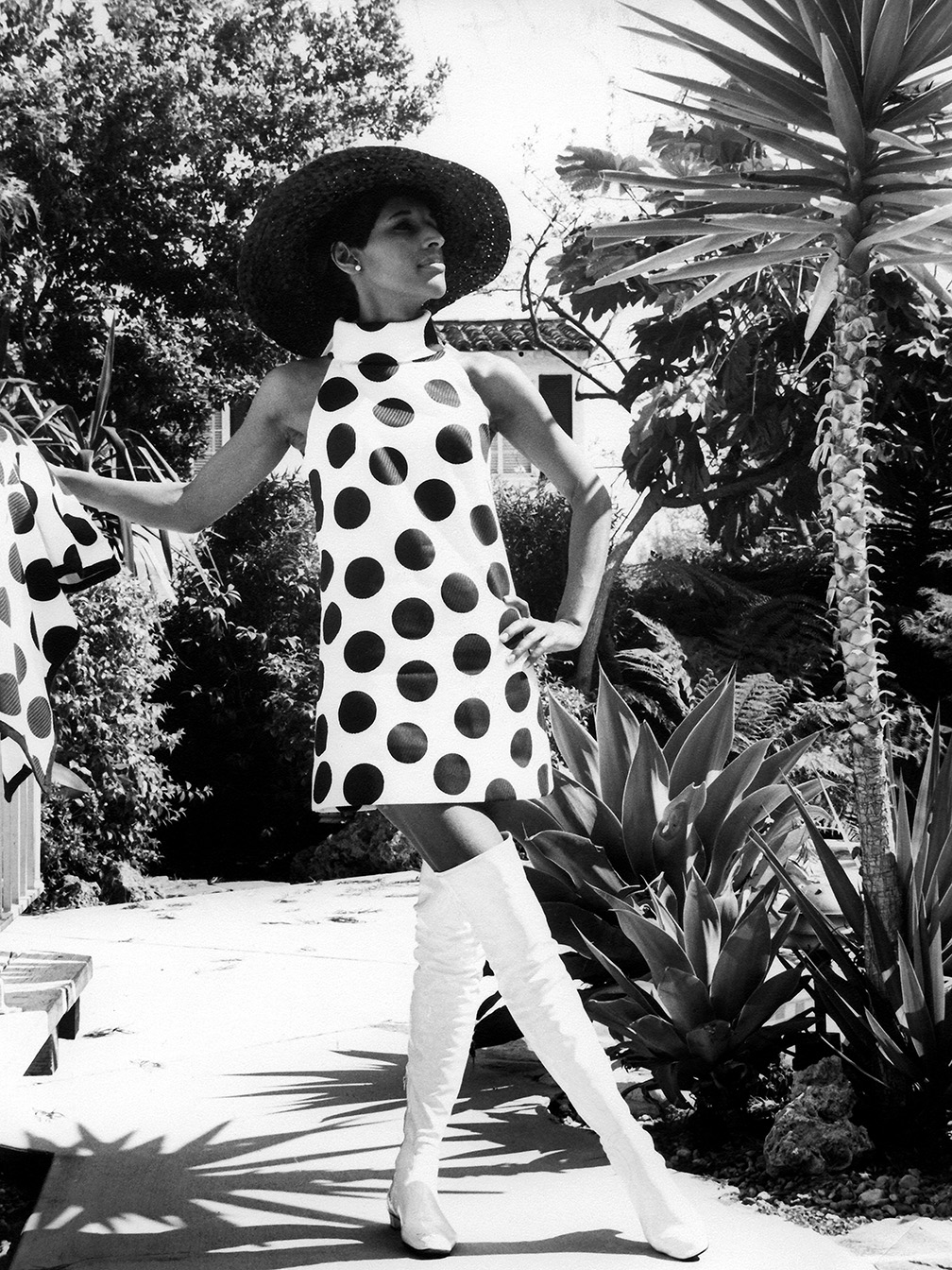
Bob Lucas, Fashions, January/December 1968; modern print on aluminum, 24 x 18 inches; Courtesy of the Sepia Photographic Archive at the African American Museum of Dallas.
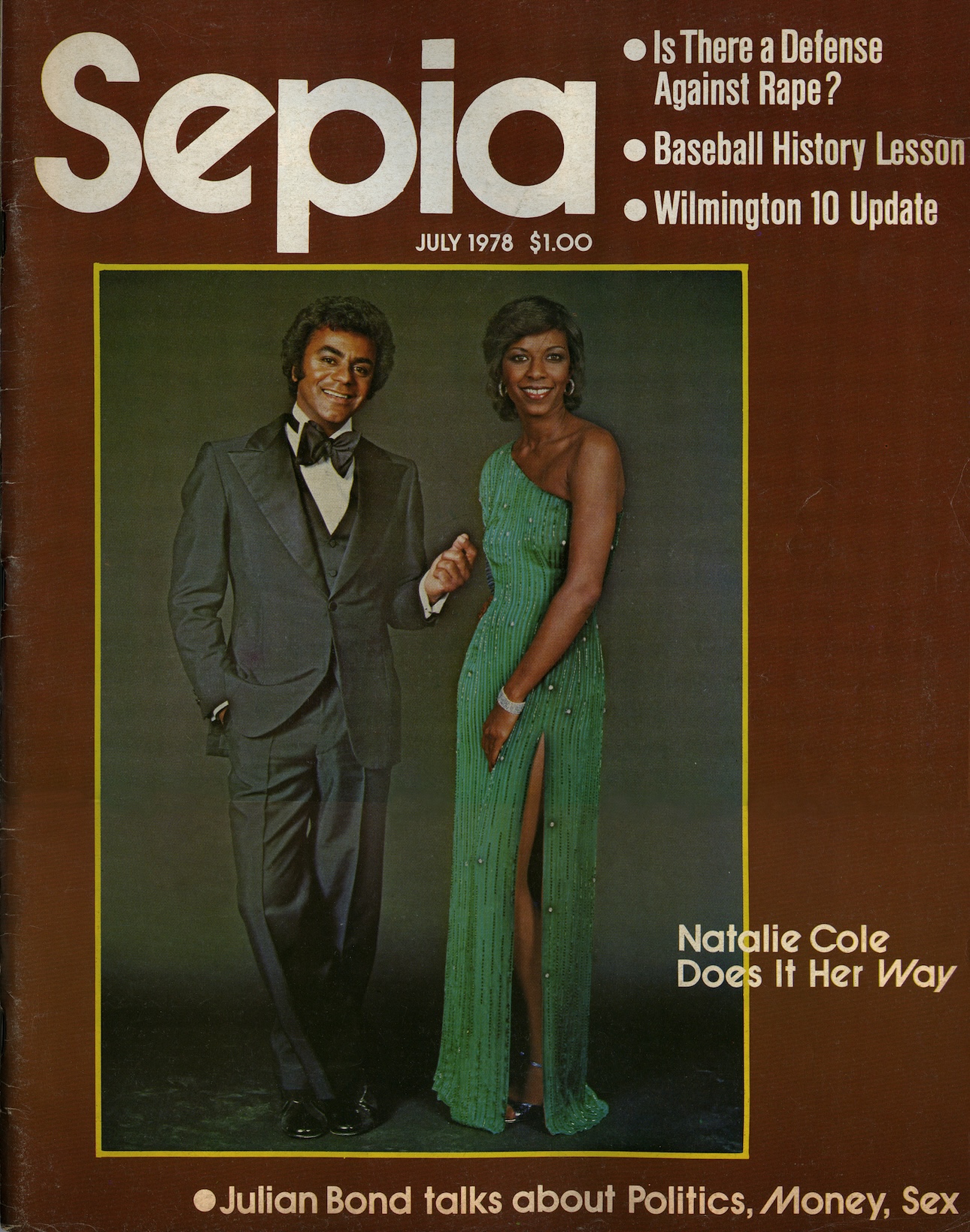
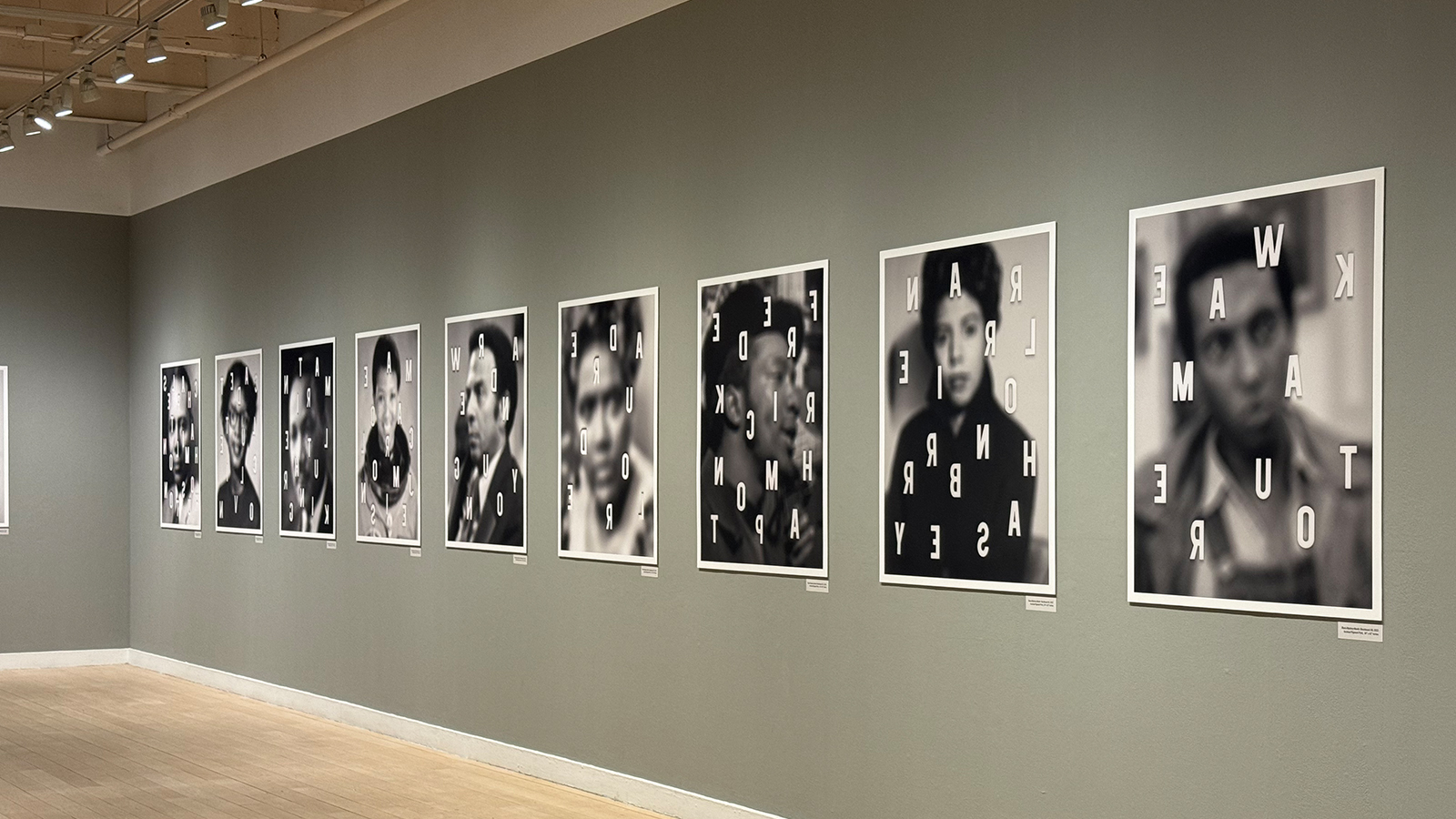
Photographer Once Known, Sepia Magazine: Natalie Cole, July 1978; modern print on aluminum, 13 x 10 1/8 inches; Courtesy of the Sepia Photographic Archive at the African American Museum of Dallas.

Photographer Once Known, Muhammad Ali, n.d.; modern print on aluminum, 20 x 16 inches; Courtesy of the Sepia Photographic Archive at the African American Museum of Dallas.
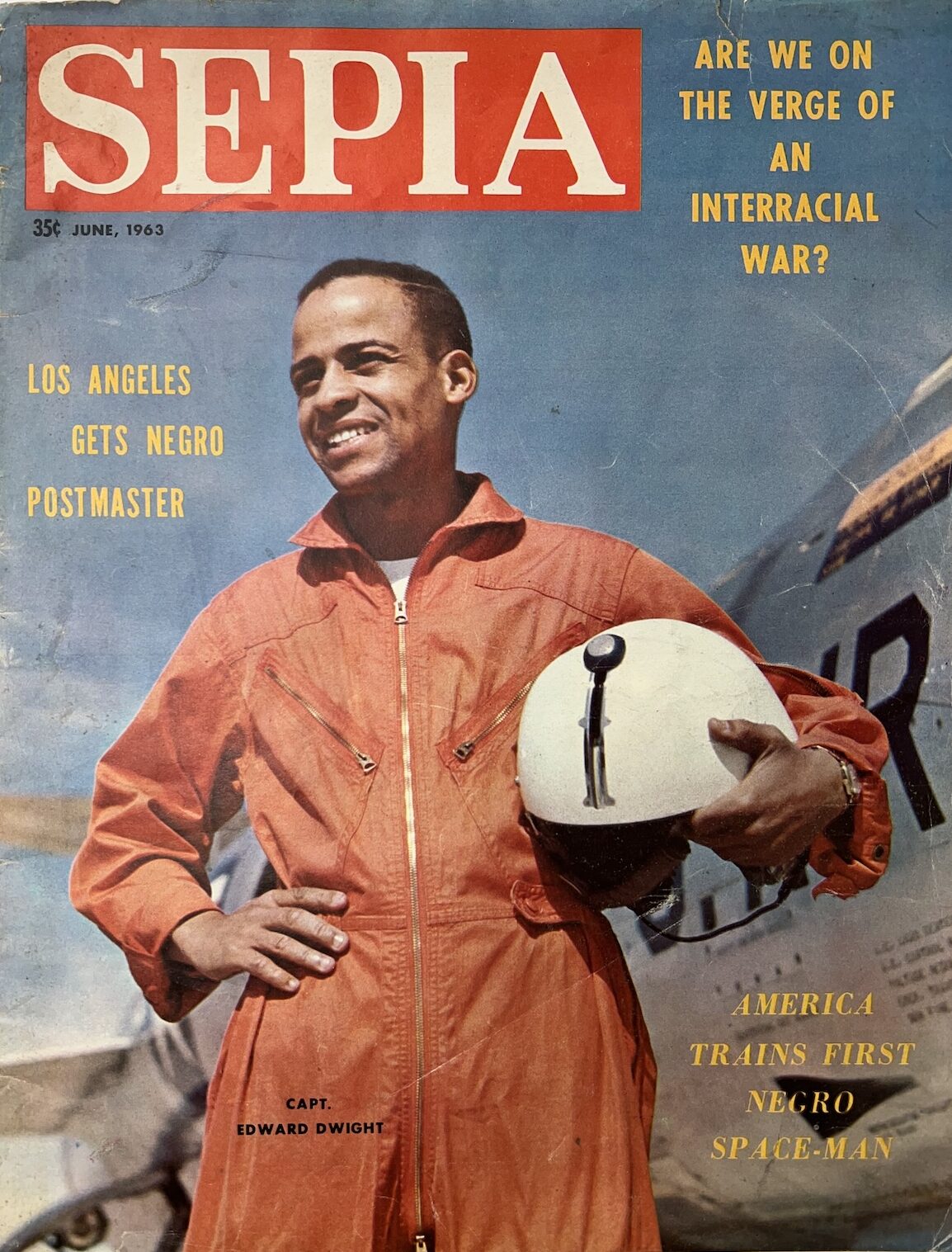
Photographer Once Known, Sepia Magazine: America Trains First Negro Space-Man, June 1963; ink on paper, 13 1/4 x 10 1/4 inches; Courtesy of the Sepia Photographic Archive at the African American Museum of Dallas.
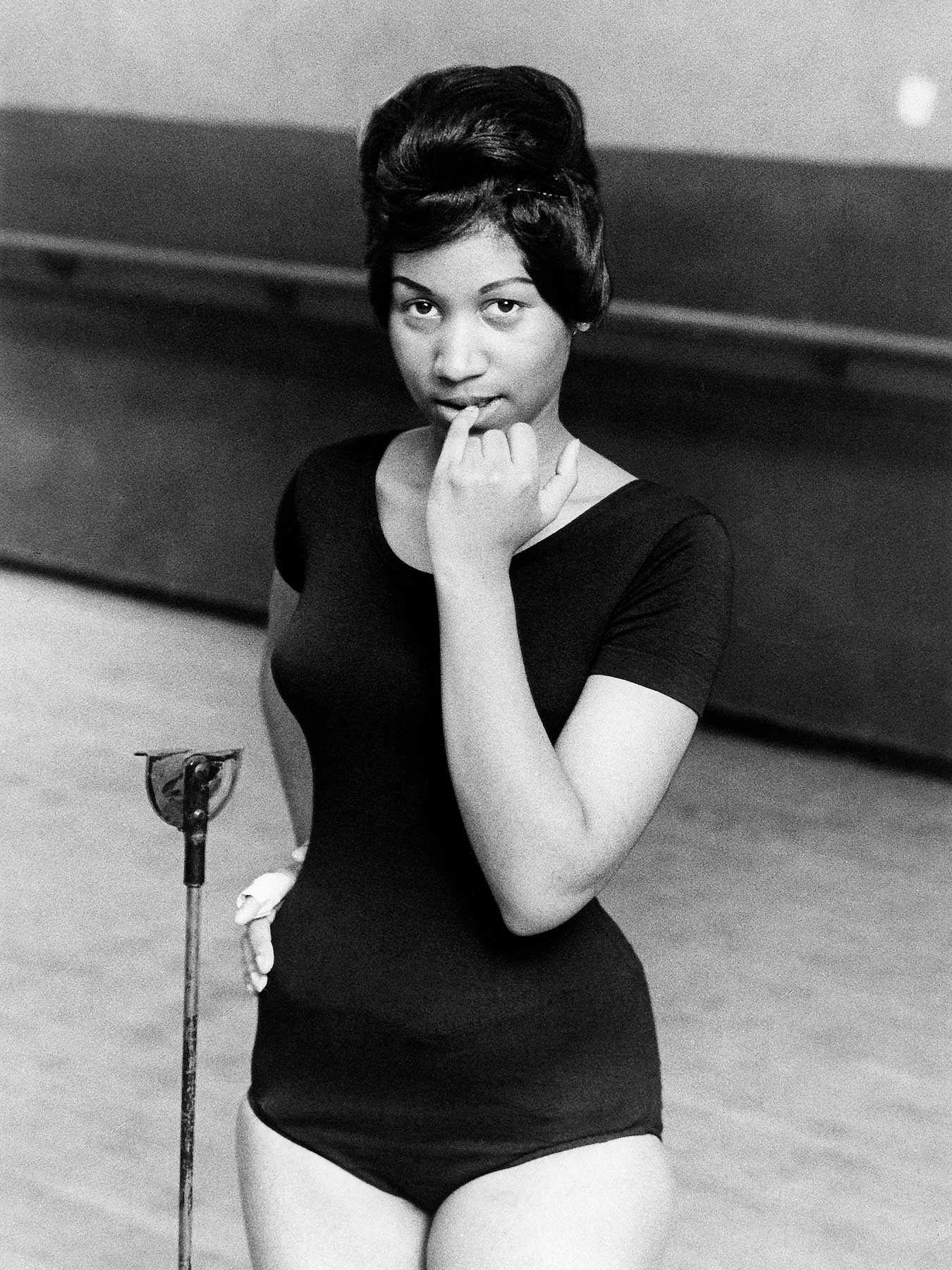
Photographer Once Known, Aretha Franklin, n.d.; modern print on aluminum, 19 x 12 11/16 inches; Courtesy of the Sepia Photographic Archive at the African American Museum of Dallas.

Franklynn Peterson, The Poor Ye Shall Have Always, January 1971; modern print on aluminum, 14 x 17 7/16 inches; Courtesy of the Sepia Photographic Archive at the African American Museum of Dallas.
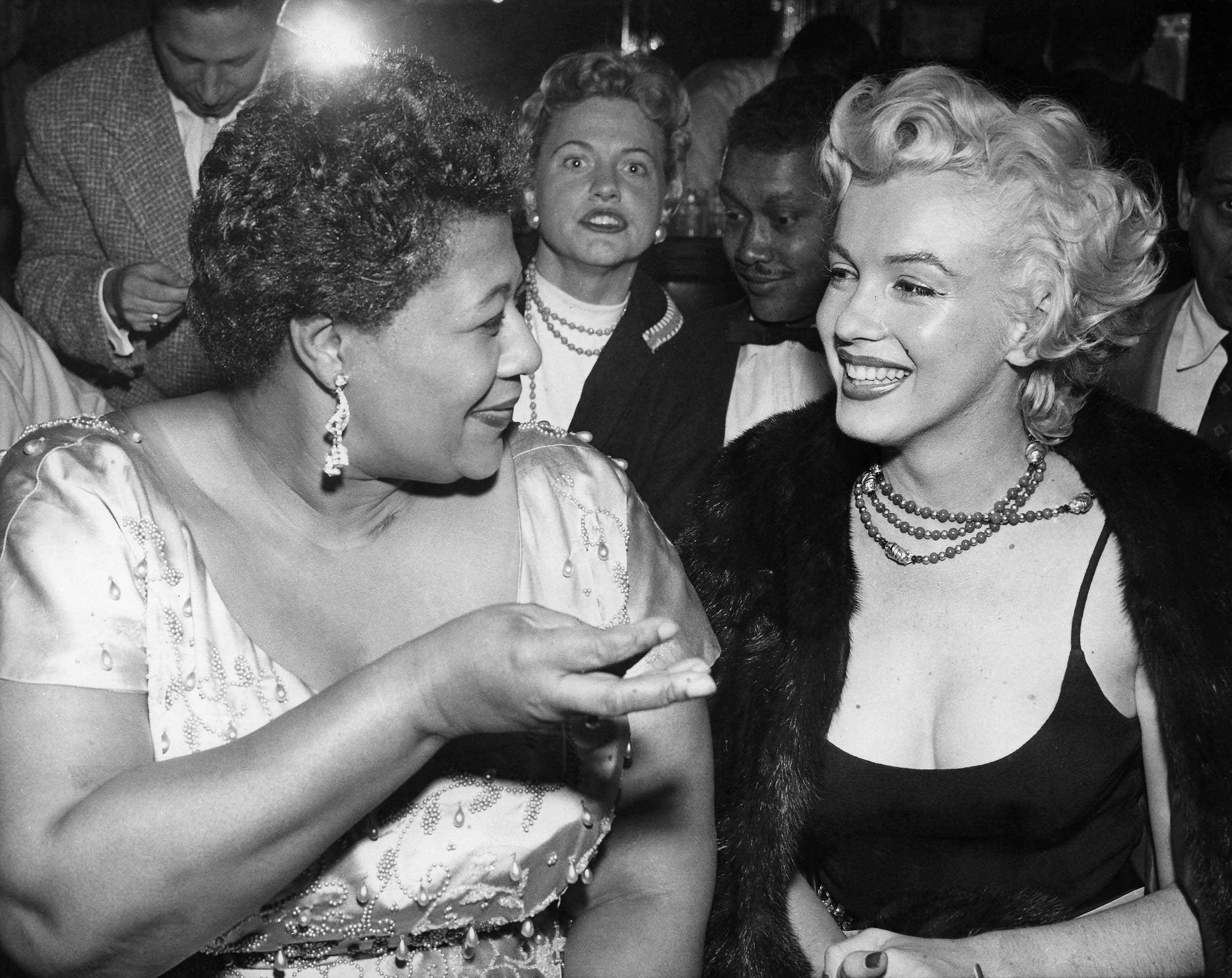
Photographer Once Known, Ella Fitzgerald and Marilyn Monroe, n.d.; modern print on aluminum, 27 x 34 7/16 inches; Courtesy of the Sepia Photographic Archive at the African American Museum of Dallas.
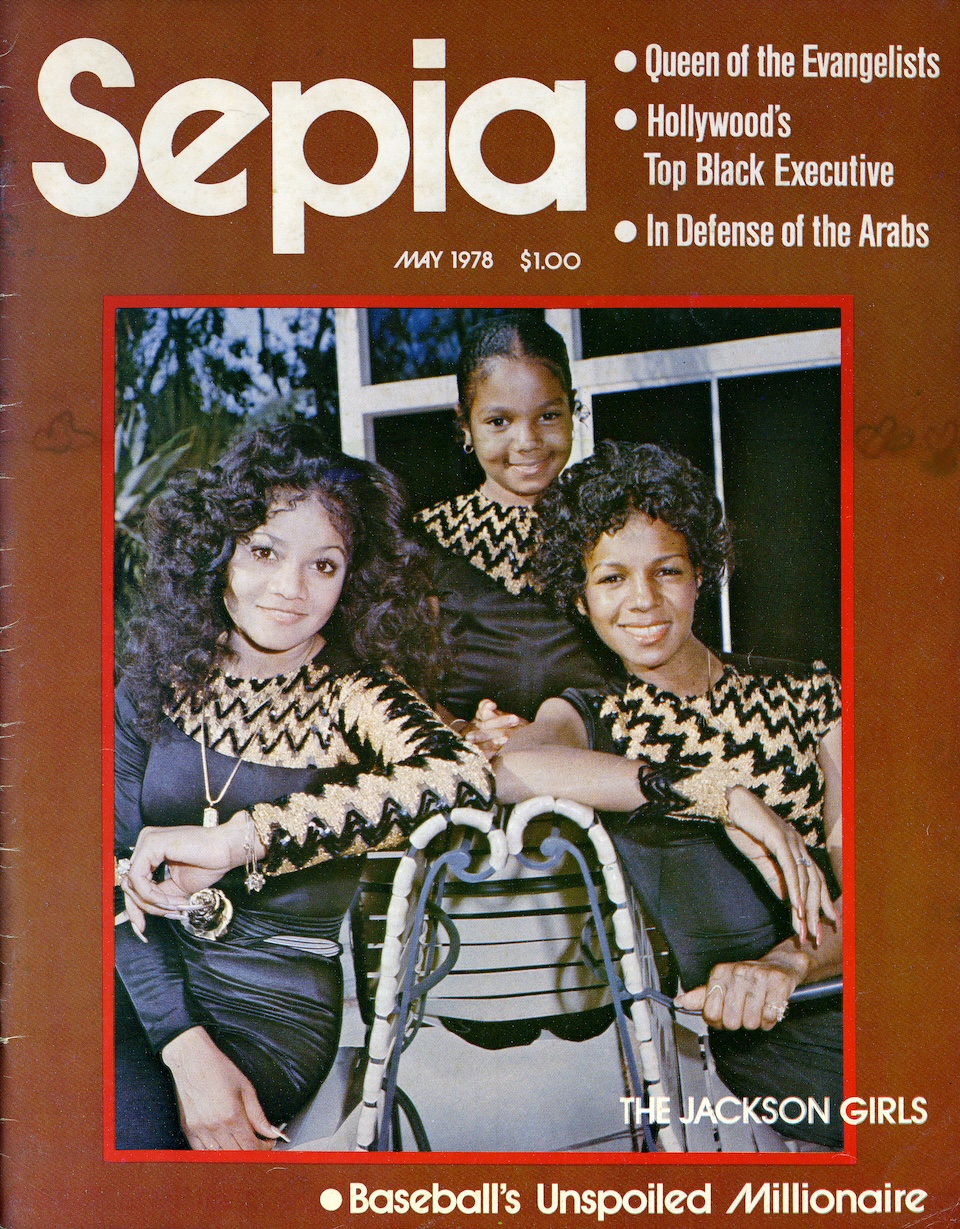
Photographer Once Known, Sepia Magazine: Jackson Sisters, May 1978; modern print on aluminum, 13 1/4 x 10 1/4 inches; Courtesy of the Sepia Photographic Archive at the African American Museum of Dallas.

Photographer Once Known, Josephine Baker, n.d.; modern print on aluminum, 19 x 13 15/16 inches; Courtesy of the Sepia Photographic Archive at the African American Museum of Dallas.
Bob Lucas, Fashions, January/December 1968; modern print on aluminum, 24 x 18 inches; Courtesy of the Sepia Photographic Archive at the African American Museum of Dallas.
People Who Make the World Go ‘Round: The Legacy of Sepia Magazine
Charting the legacy of Sepia magazine, the exhibition highlights the role of photo-based magazines, changes in printing technology, and how the political landscape shaped Black-interest photojournalism while emphasizing Sepia’s distinct style and audience in contrast to Ebony and LIFE.
Sepia was a leading, photo-based magazine of the mid-twentieth century, drawing in subscribers from around the United States with its eye-catching photography, leadership focus, and special interest stories, all told from a Black perspective.
Chronicling its nearly 40-year span, from 1947 to 1983, this exhibition highlights Sepia’s heyday as a national competitor to Ebony and Jet, while directing attention to its own distinct style and audience coming from the American South. People Who Make the World Go ‘Round charts the legacy of Sepia magazine, emphasizing the role of photo-based magazines, and the way the political landscape shaped Black-interest photojournalism.
Originally published in 1947 as Negro Achievements by African American entrepreneur Horace J. Blackwell, the magazine was subsequently purchased by Jewish American businessman George Levitan in 1951 and became the rival of the more popular Chicago-based Ebony magazine through the 1970s. Sepia was upbeat, motivational, feel good, and in the early years, quite sensational. While based in segregated Fort Worth, Texas, Sepia grew in popularity during the civil rights movement, offering a national and increasingly world view of Black people and issues as part of a global diaspora.
Leading with photography, and above all, portraits of notable African Americans—in business, arts and entertainment, science, politics and everyday life—Sepia had a style comparable to Life, Look, and later Ebony magazine, where photography and the role of the photojournalist was key. The lesser-known subjects of Sepia’s “human interest” stories alongside portraits of prominent African Americans in public life, such as Adam Clayton Powell, Jr., Harry Belafonte, Diahann Carroll, Pam Grier, Sidney Poitier, Malcolm X, and Muhammad Ali, transformed its large format pages with clever journalism and catchy advertising, drawing in loyal readers and fans.
With images of key figures in Black life from the mid-twentieth century as well as examples of the magazine’s content and stories, People Who Make the World Go ‘Round revisits the heyday of print photojournalism and provides historical context for the popularity of digital media representations today.
The exhibition is curated by Dr. Cheryl Finley, who holds a PhD in African American Studies and History of Art from Yale University. An art historian, award-winning author, and curator, Finley is the director of the Atlanta University Center Art History + Curatorial Studies Collective and distinguished visiting professor of Art History at Spelman College.
Exhibition Details
Approximately 75 photographs and additional ephemera.
(Some pedestals may be required by venue.)
- Press Kit
- Registrar’s Packet
- Programming Guide
- Gallery Guide
- Text Panels
- Narrative Labels
- Full Insurance
- Installation Instructions
- Custom-Designed and Built Crates
Cheryl Finley, PhD
Exhibits USA
Tour Schedule
People Who Make the World Go ‘Round: The Legacy of Sepia Magazine is touring January 2026 through January 2031. The dates below reflect seven-week exhibition periods. Dates are subject to change; please contact MoreArt@maaa.org or (800) 473-3872 x208/209 for current availability.
Supporting Assets
Factsheet
Ready to book?
Contact us to learn more about booking this exhibition for your venue.